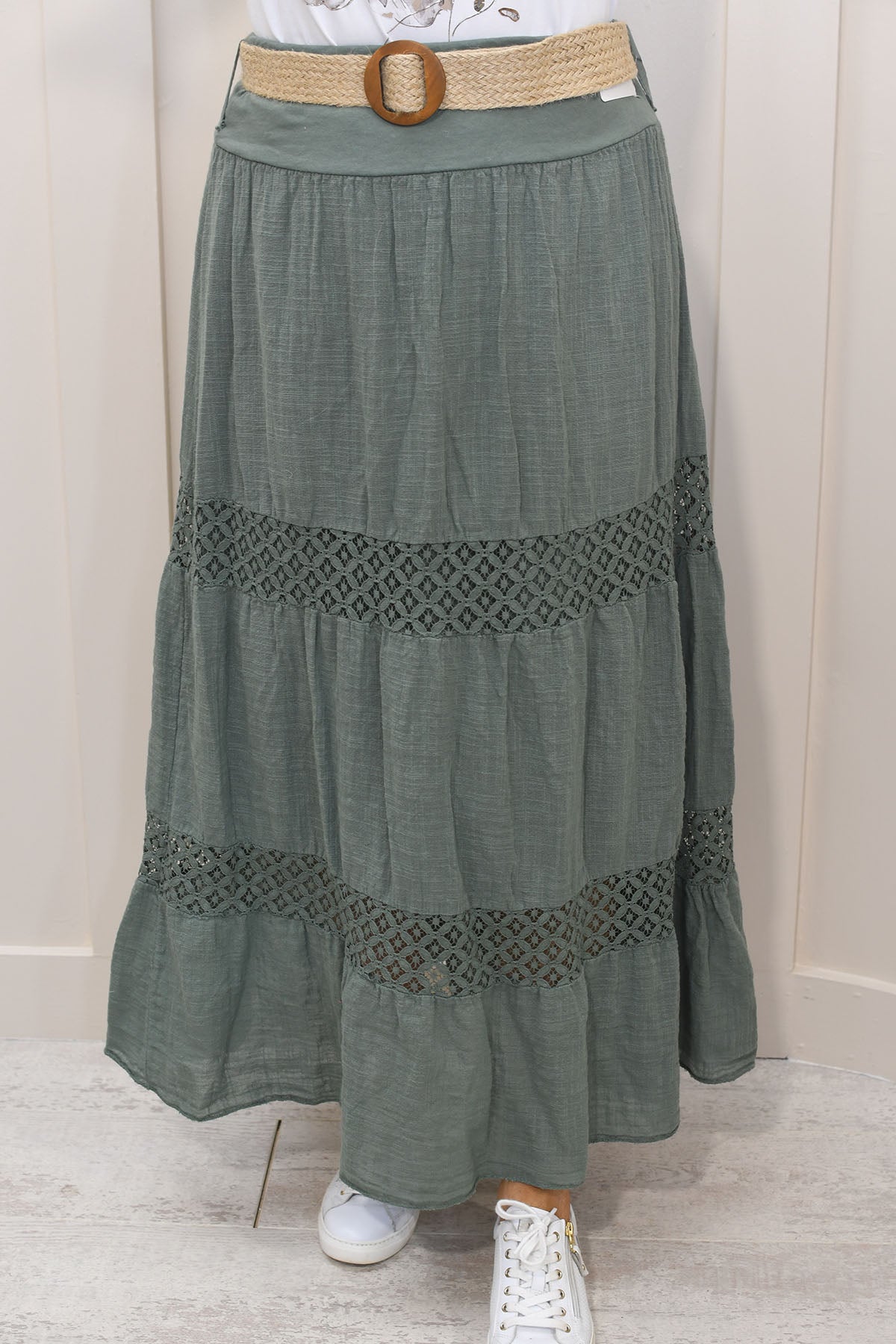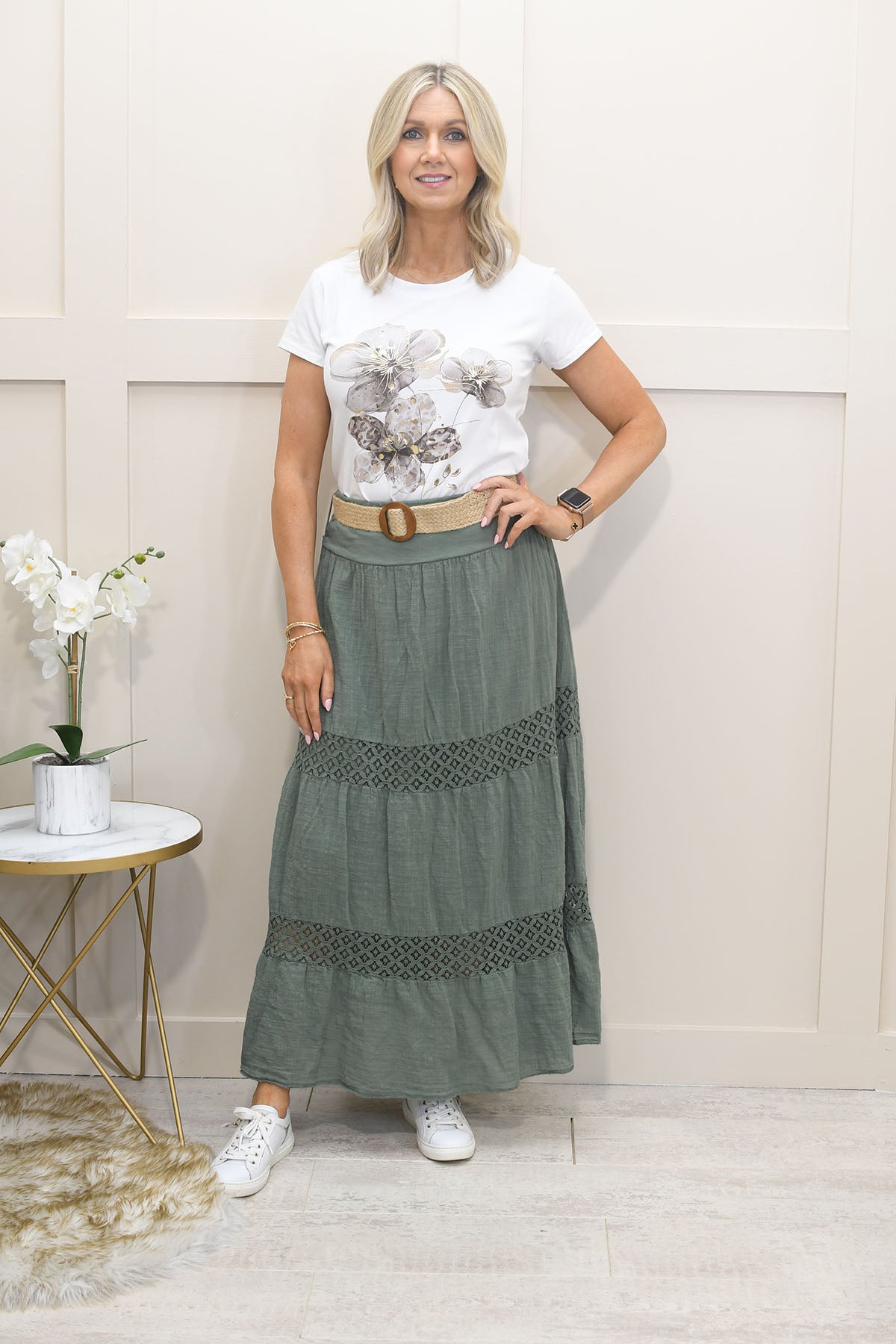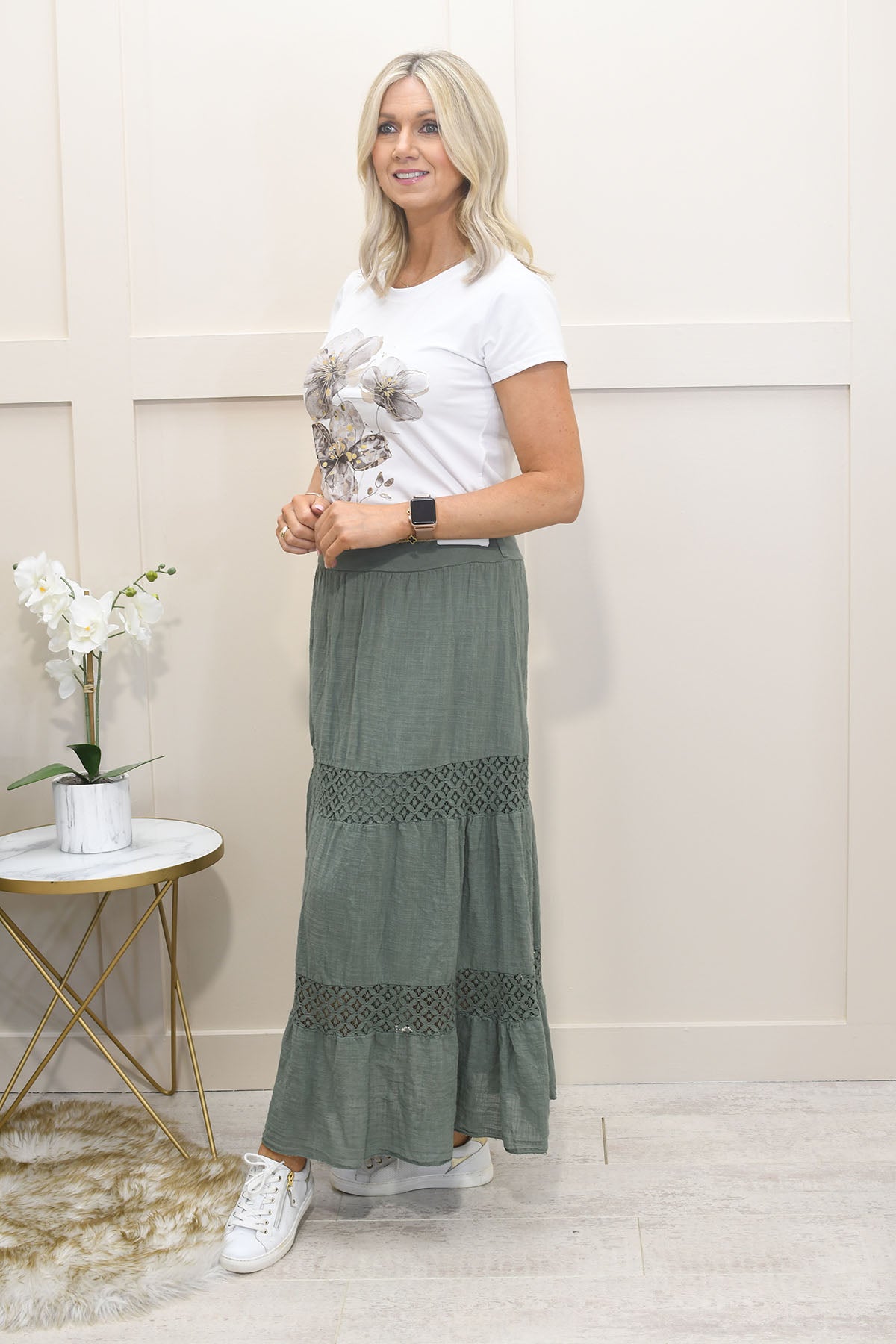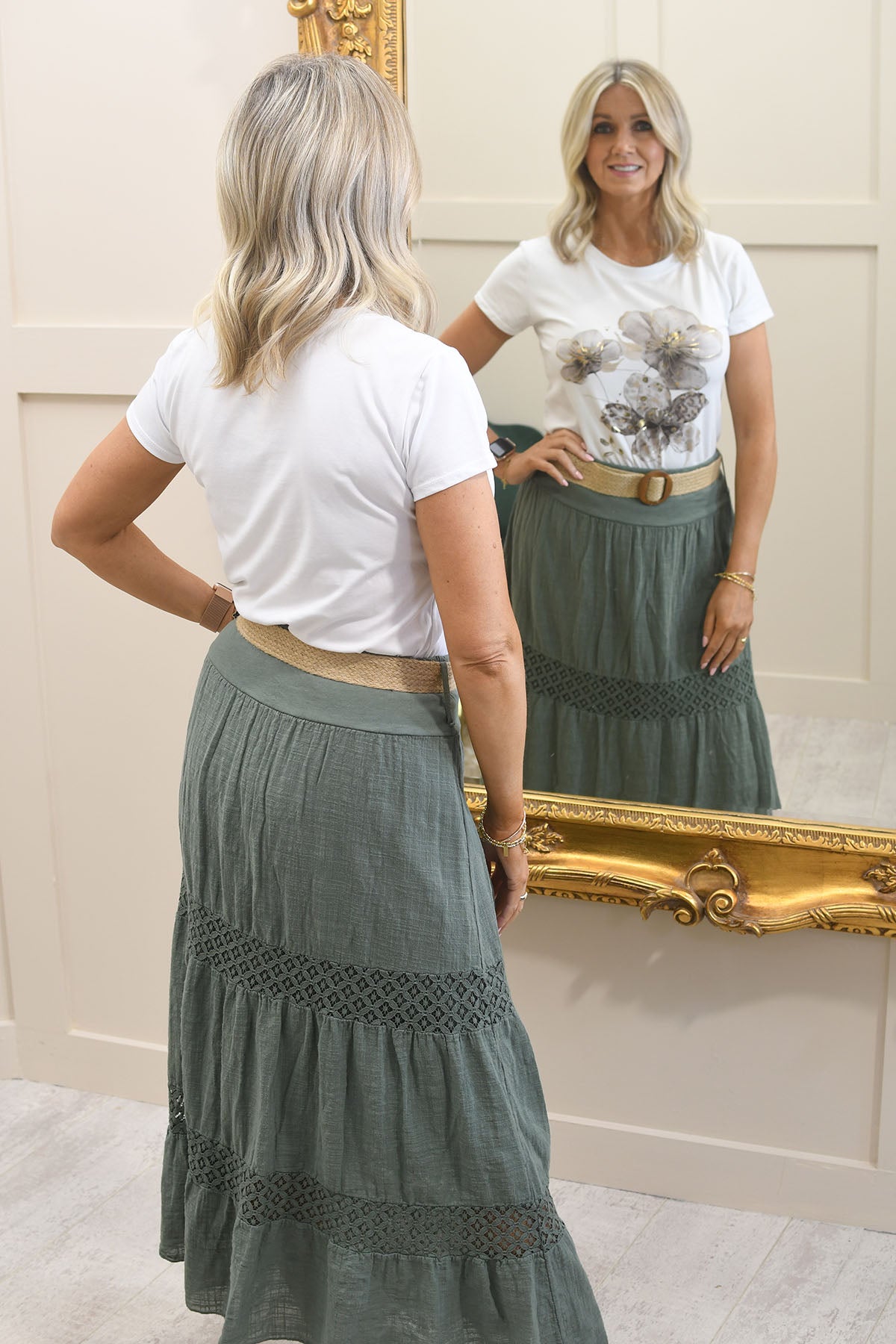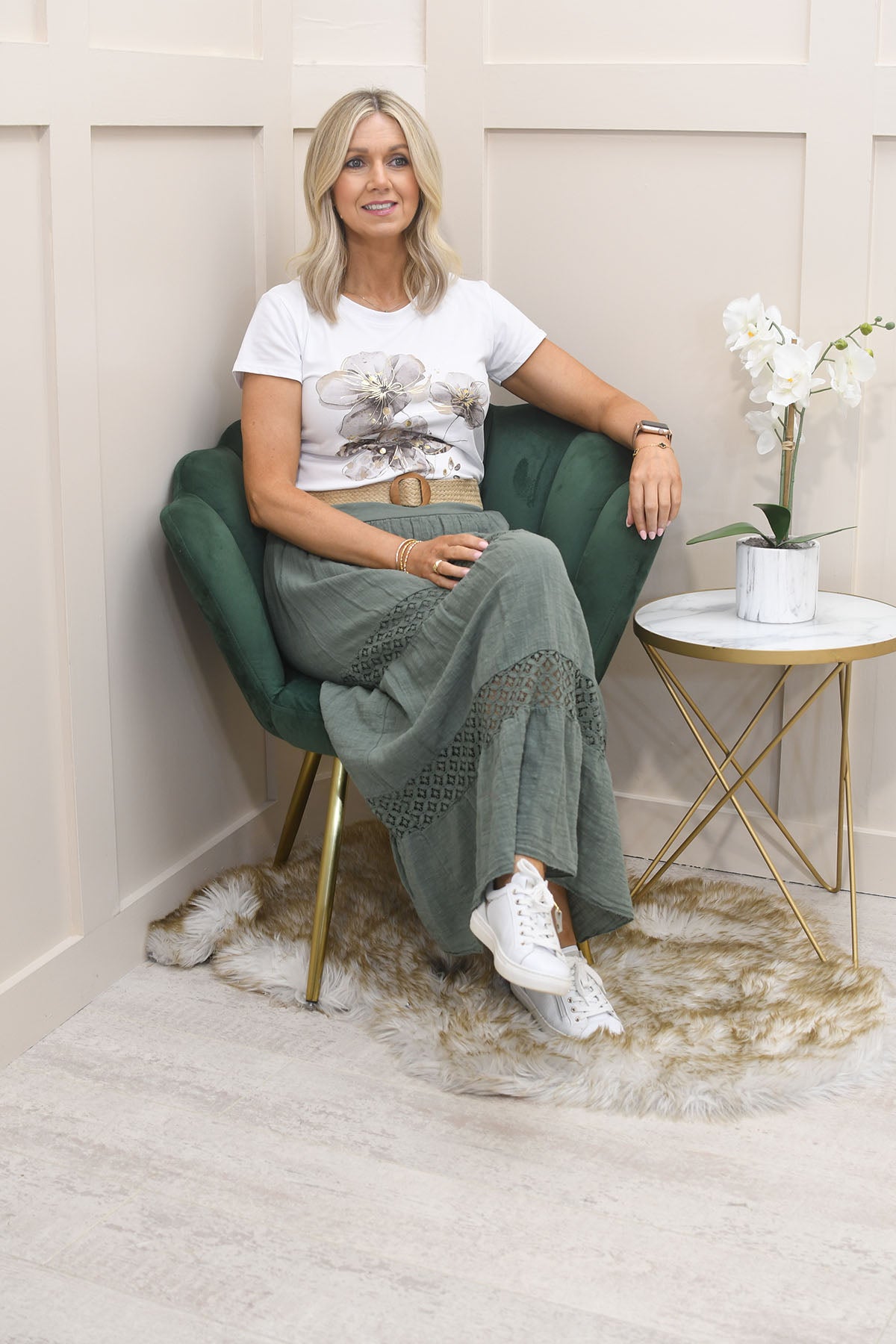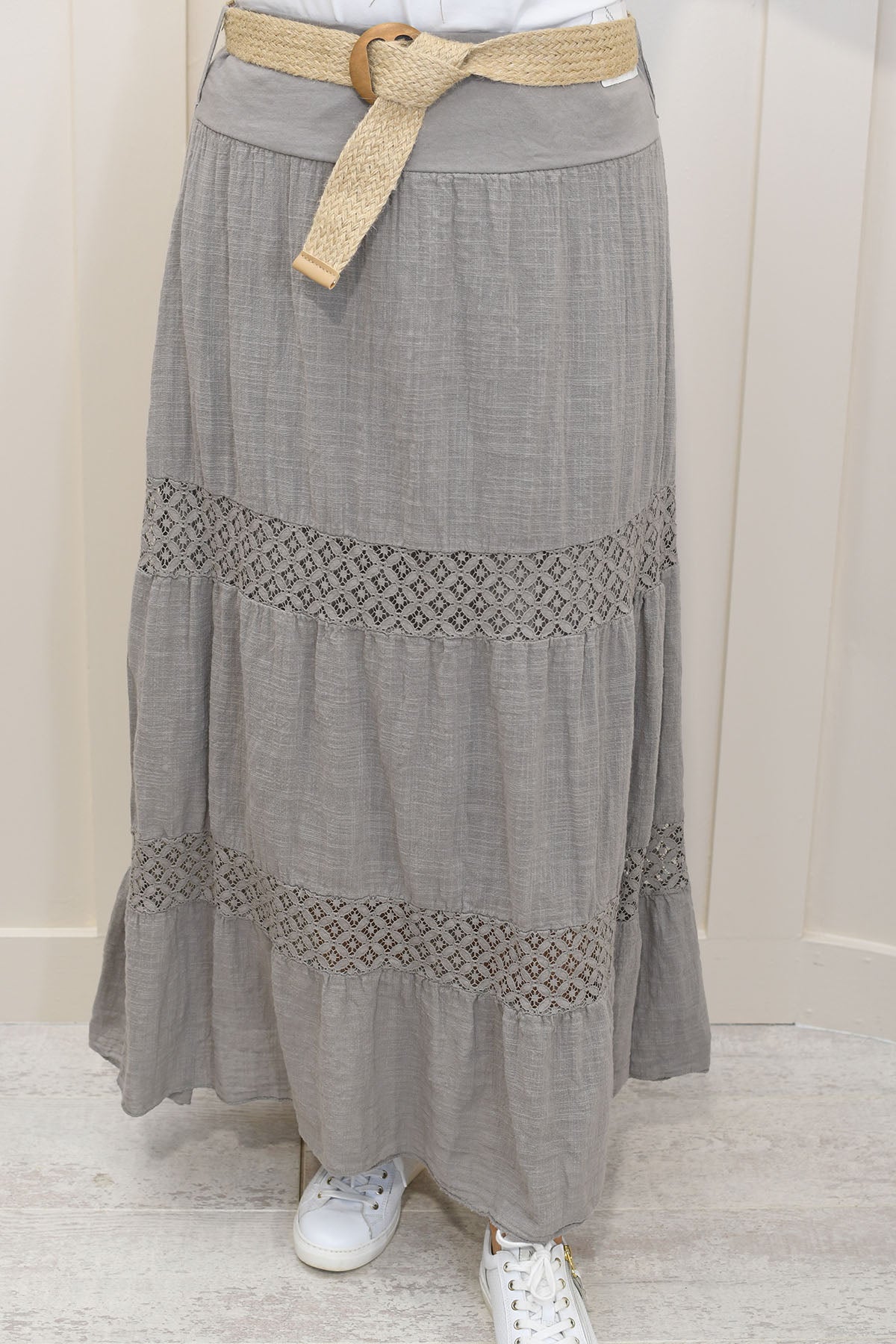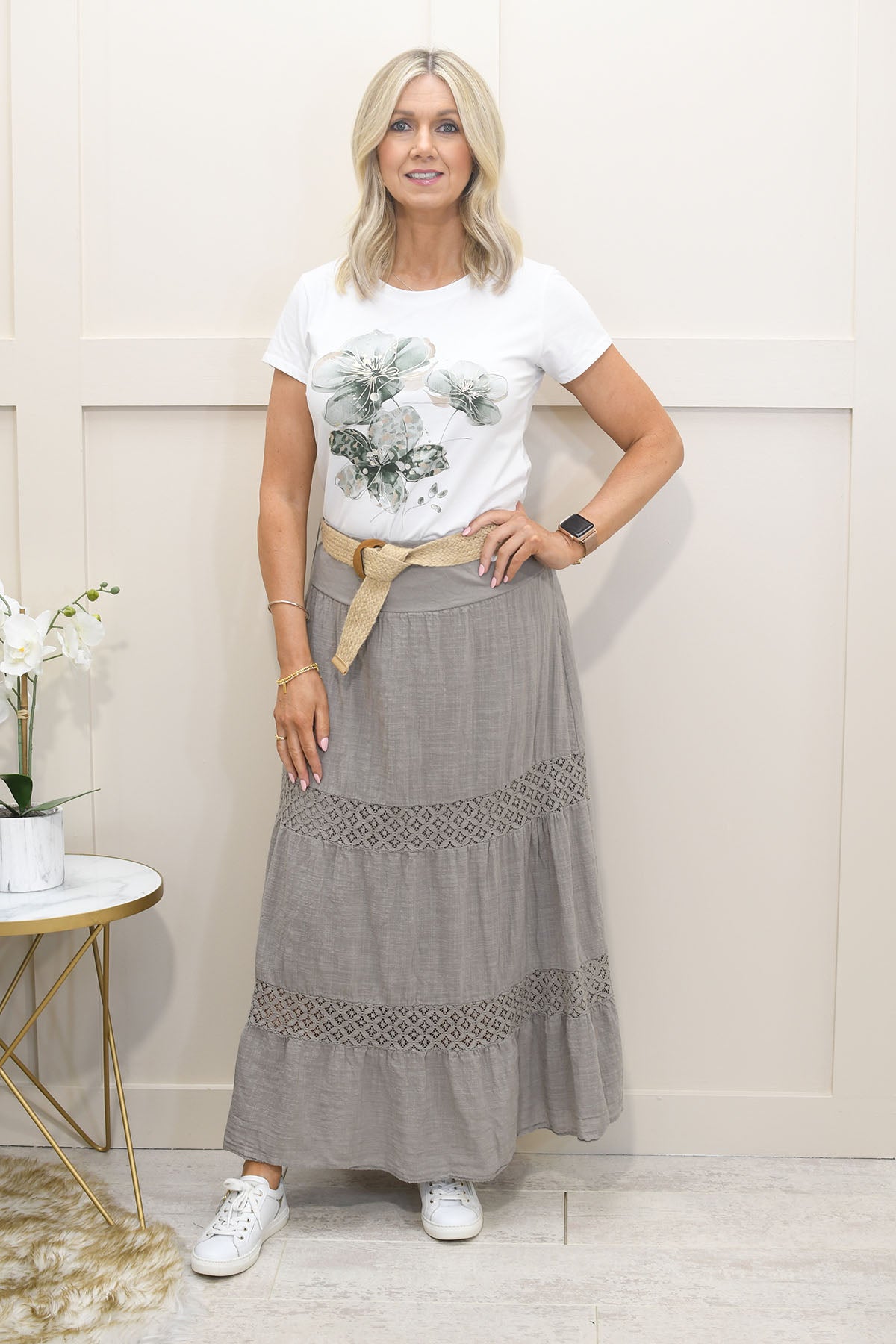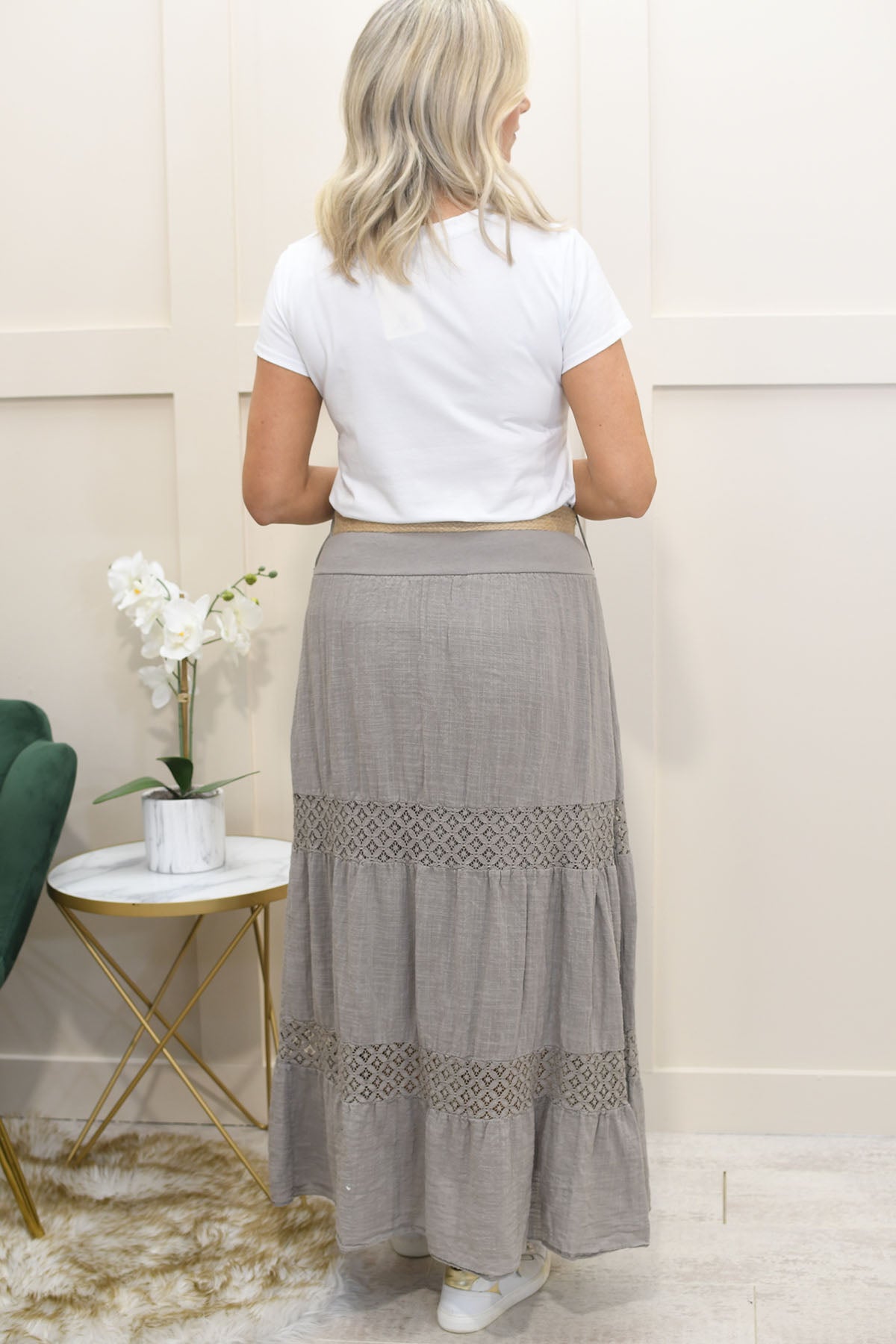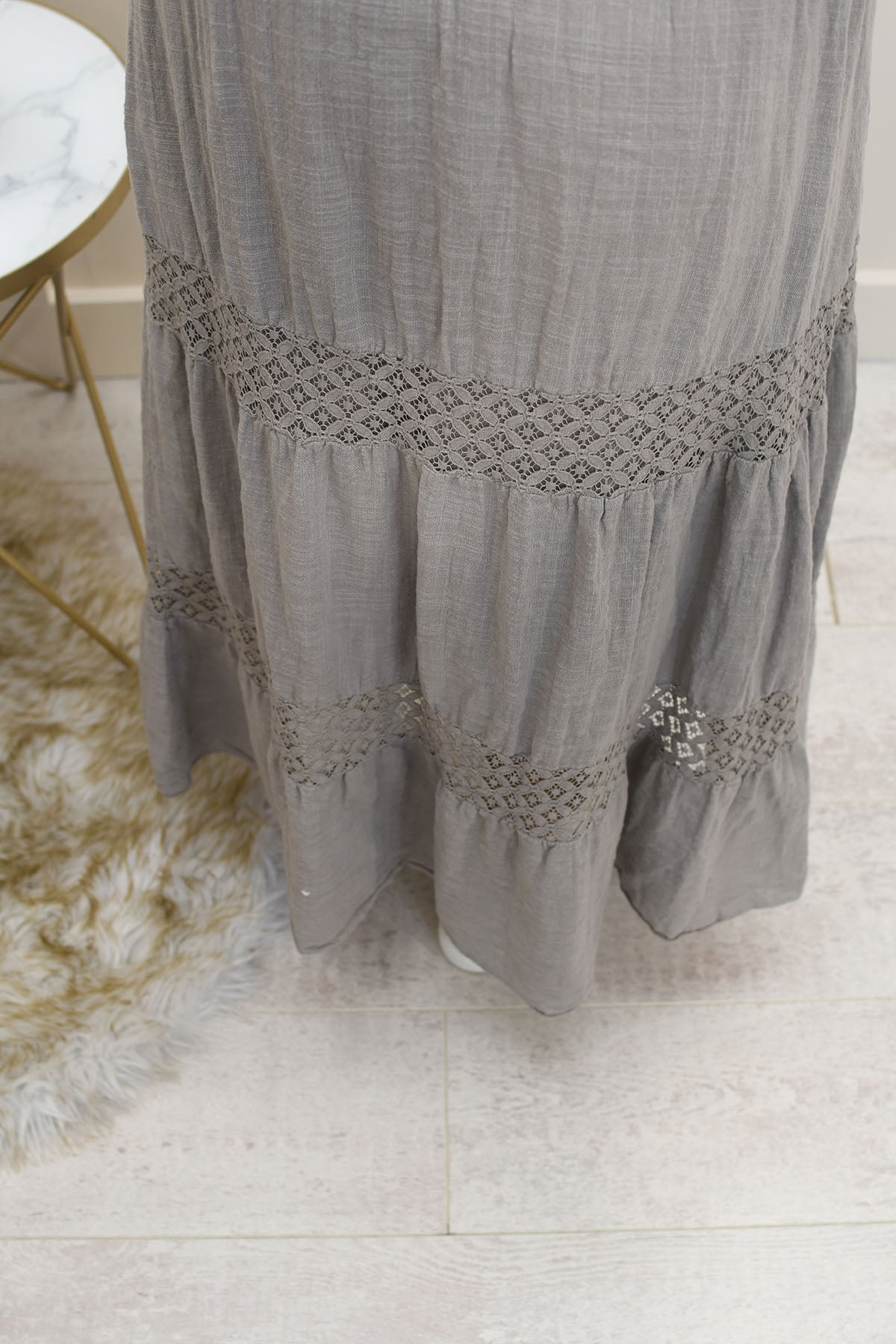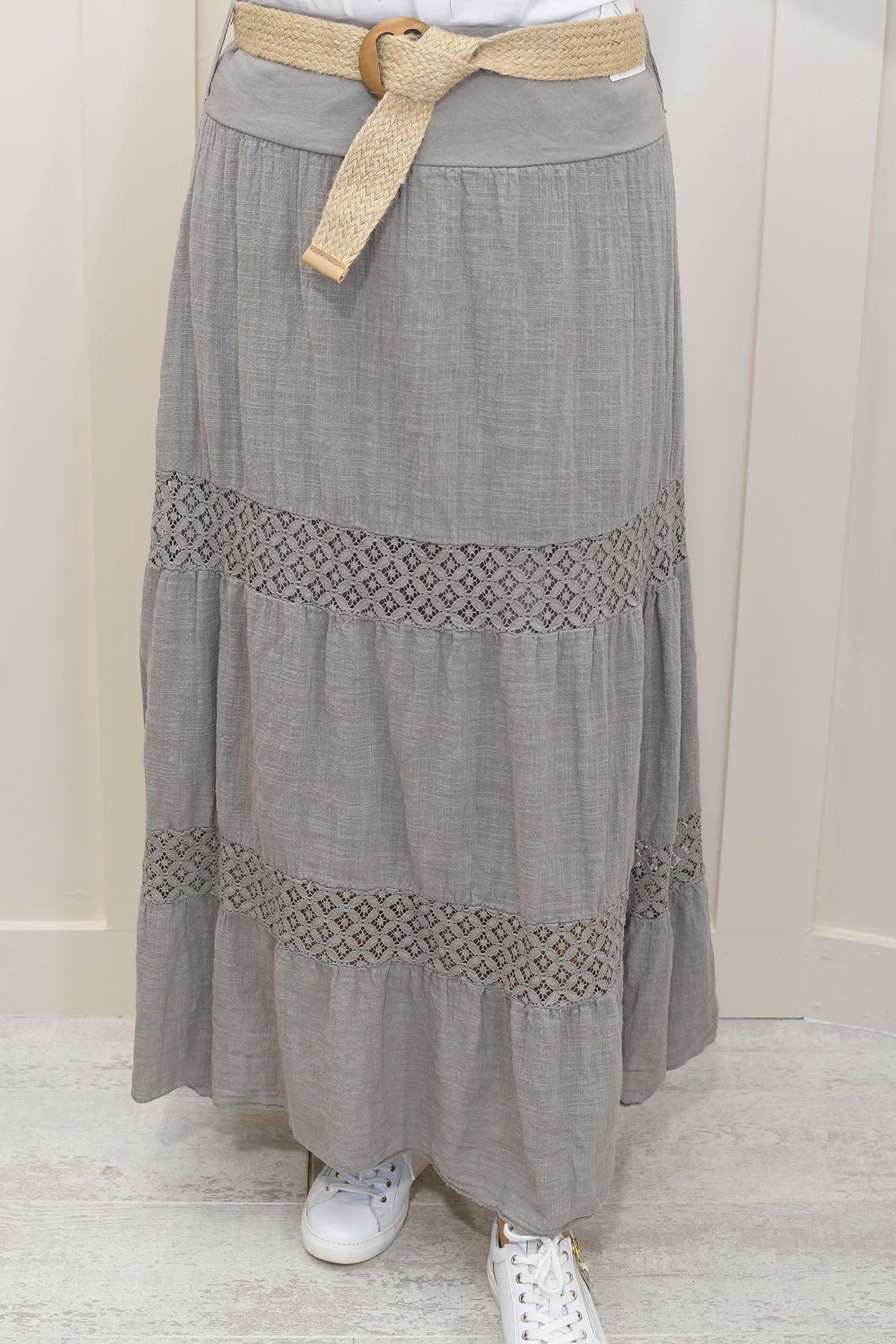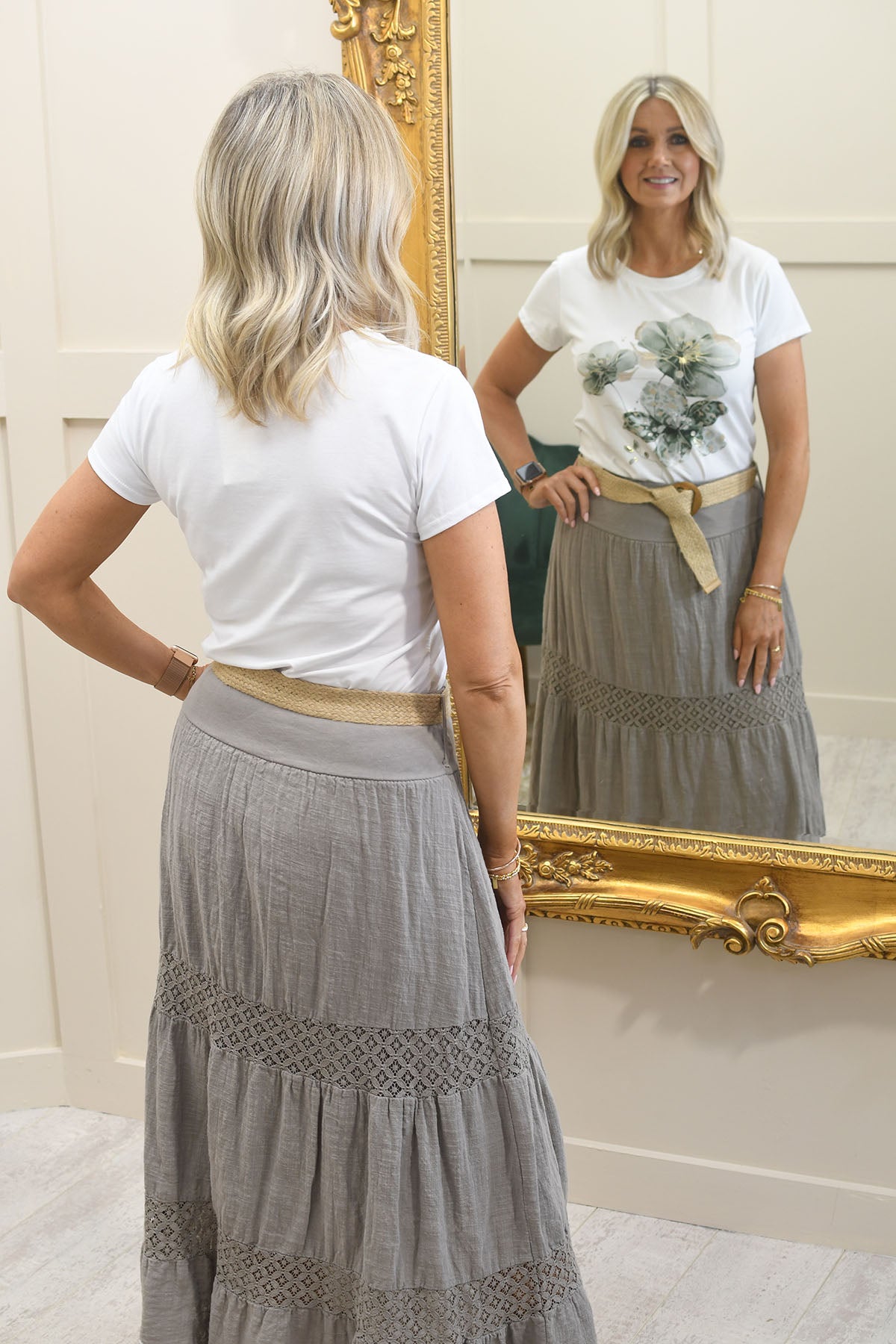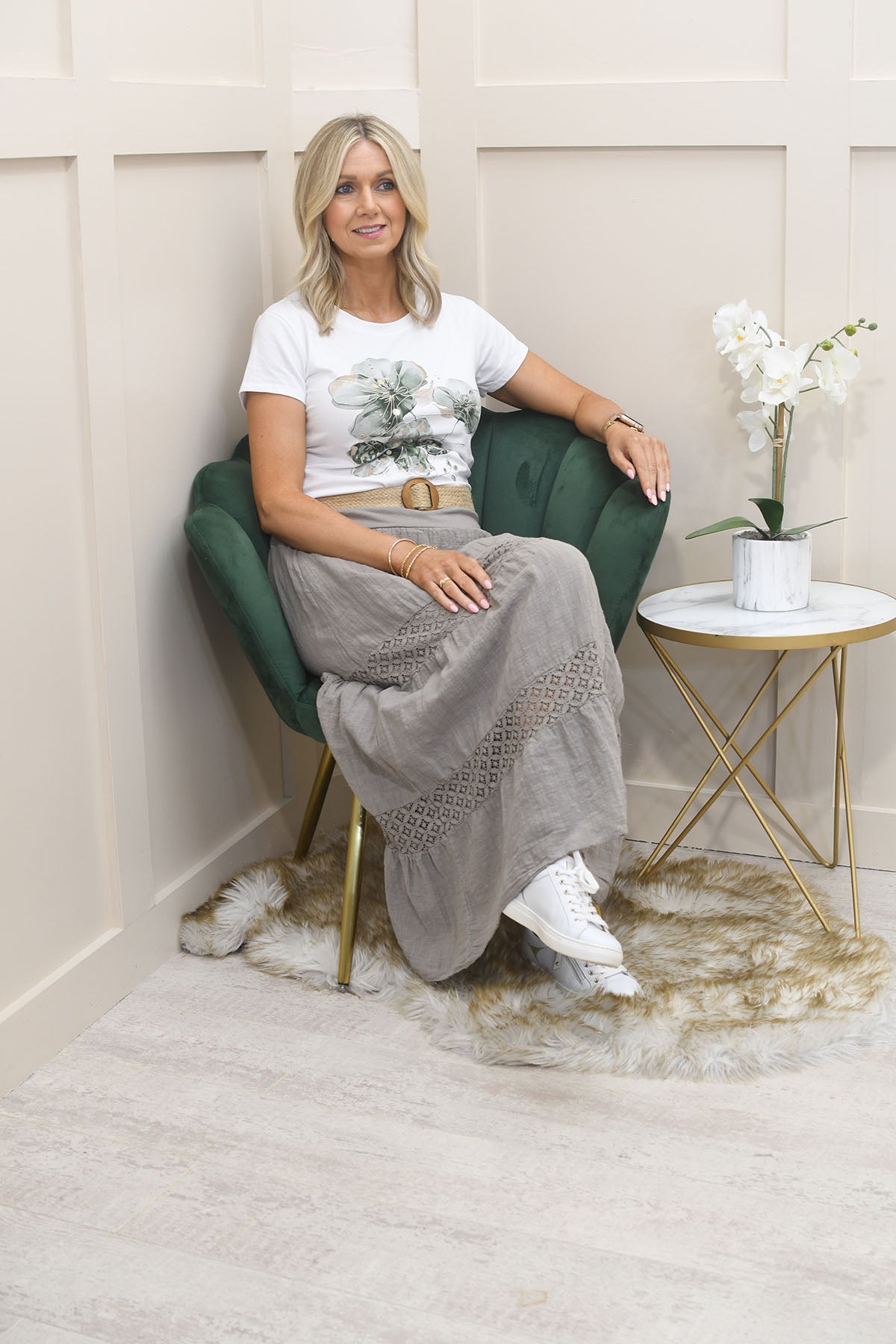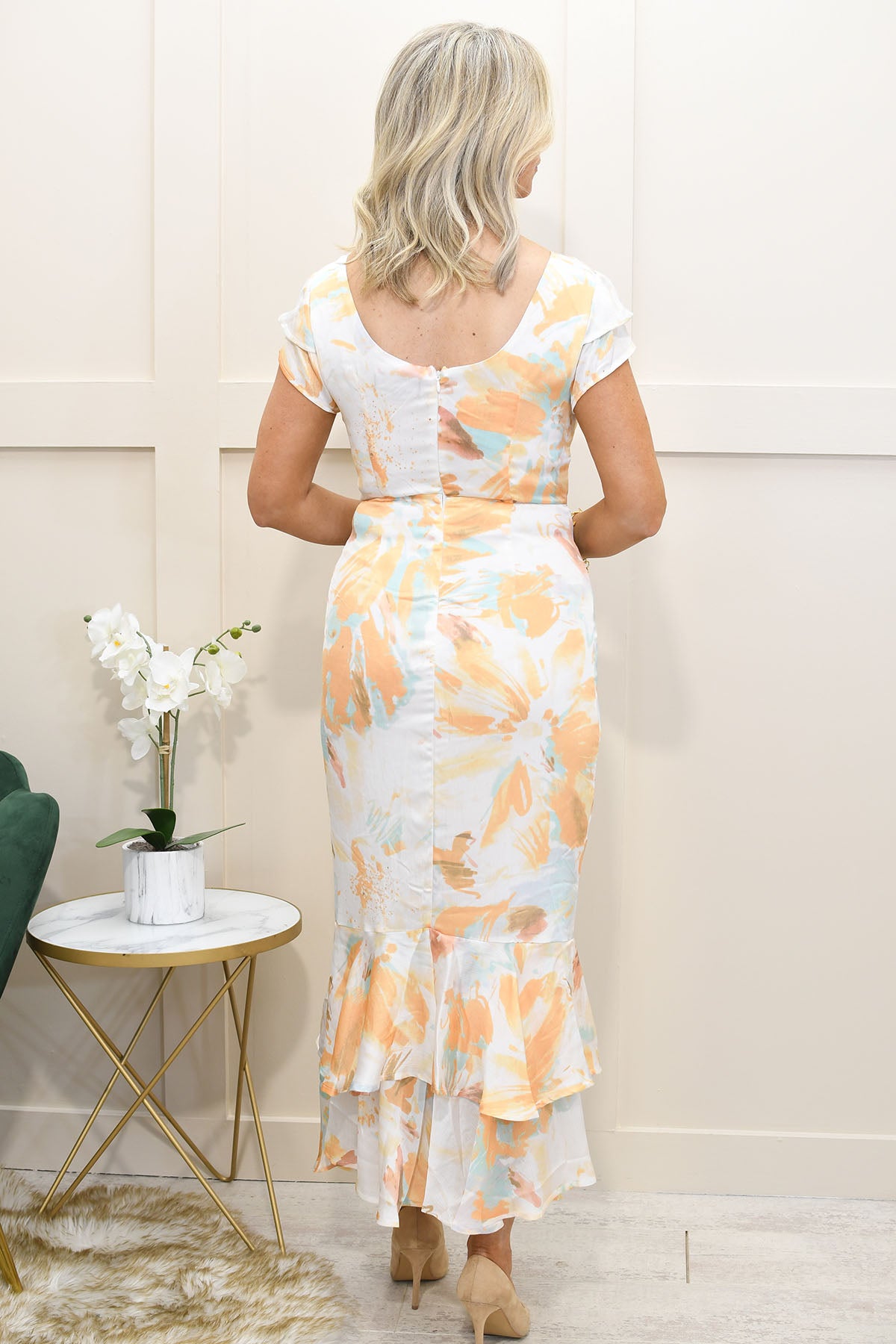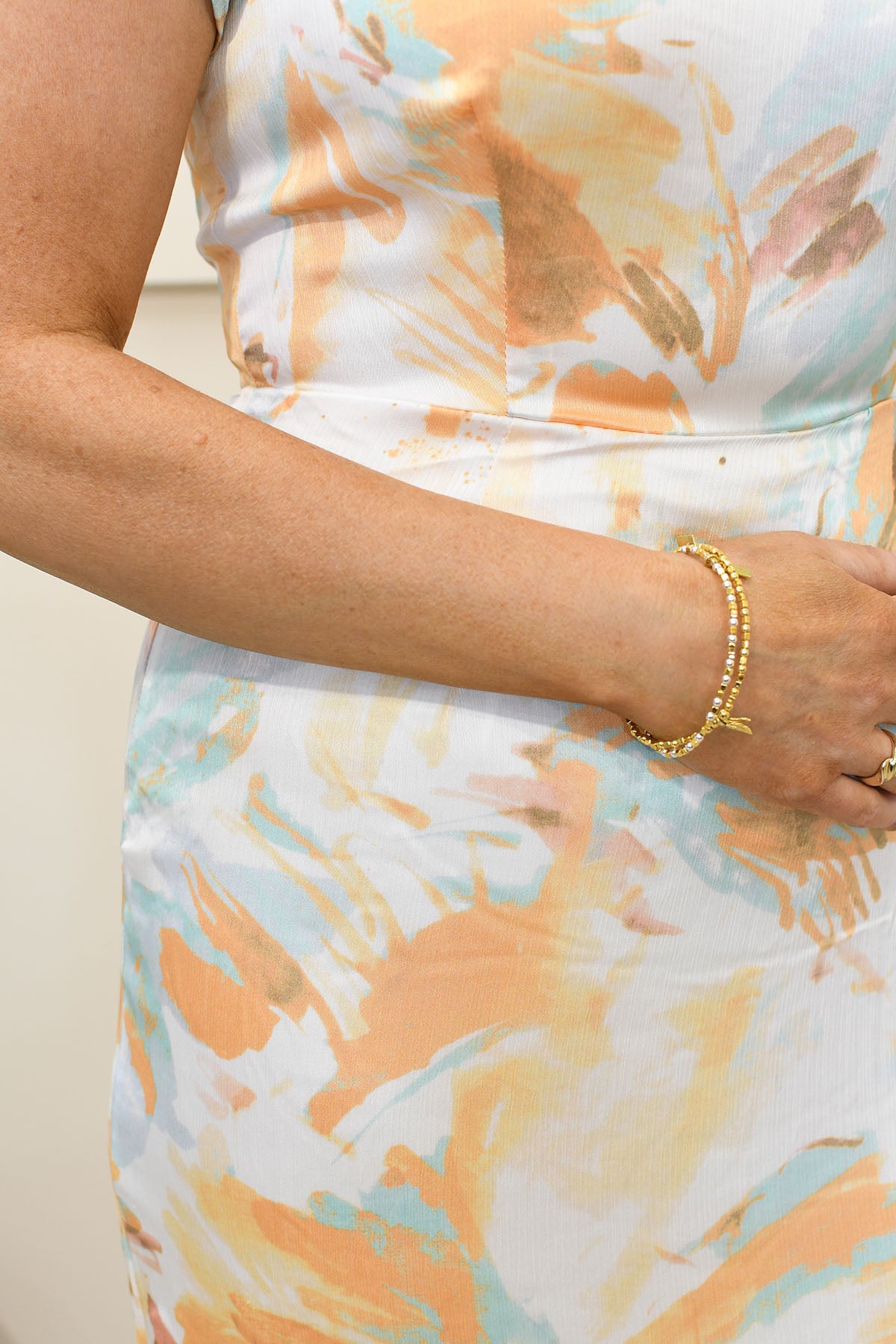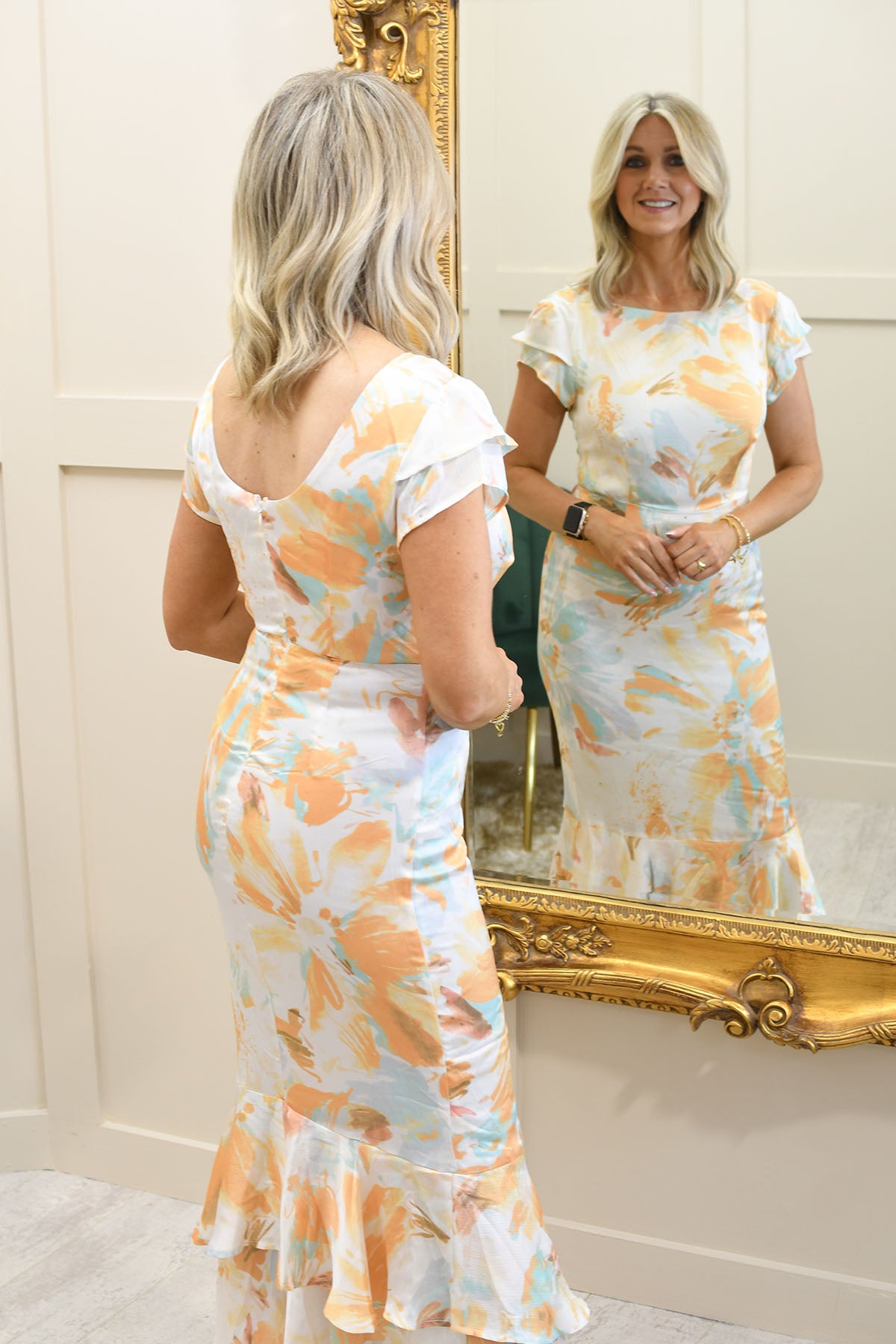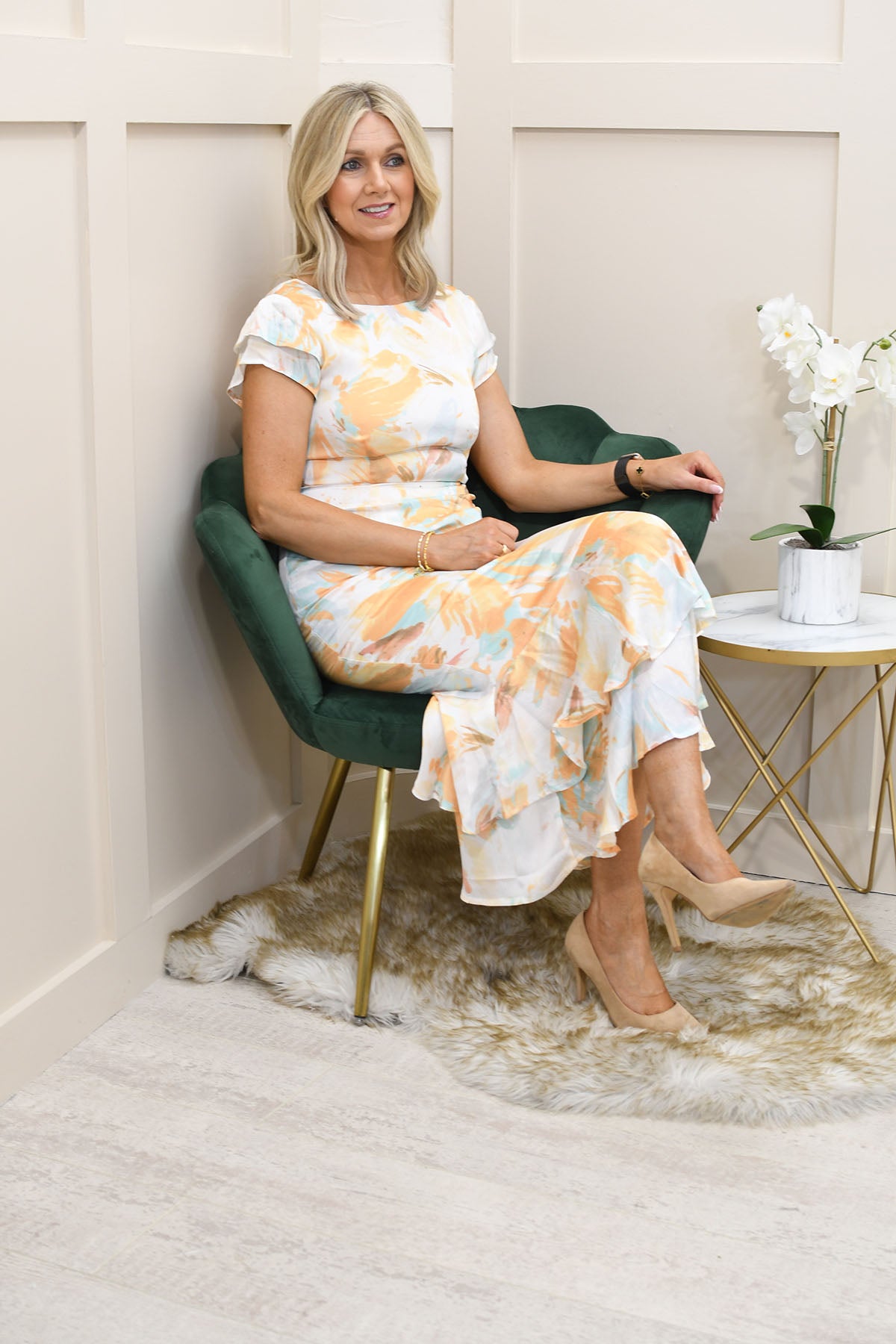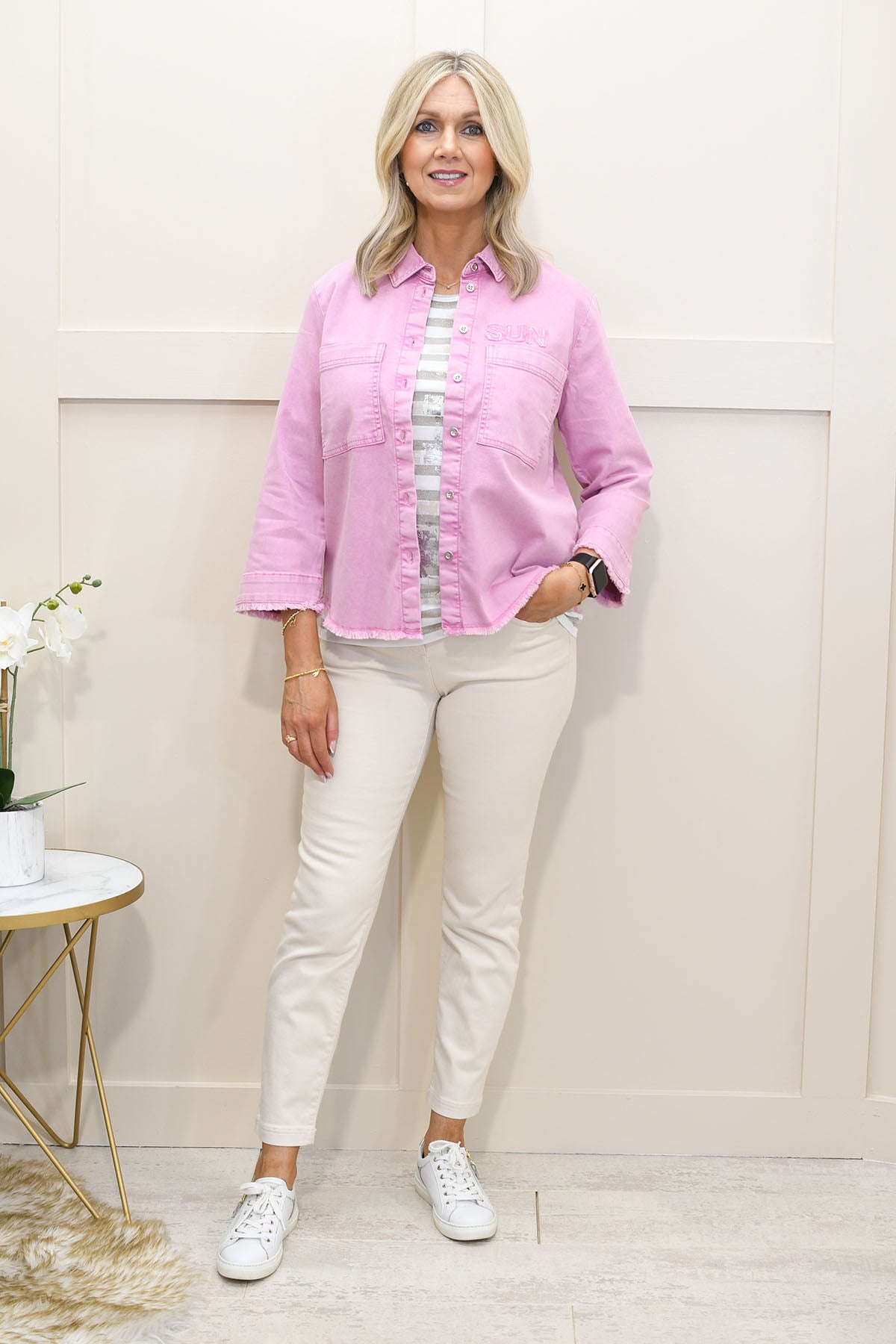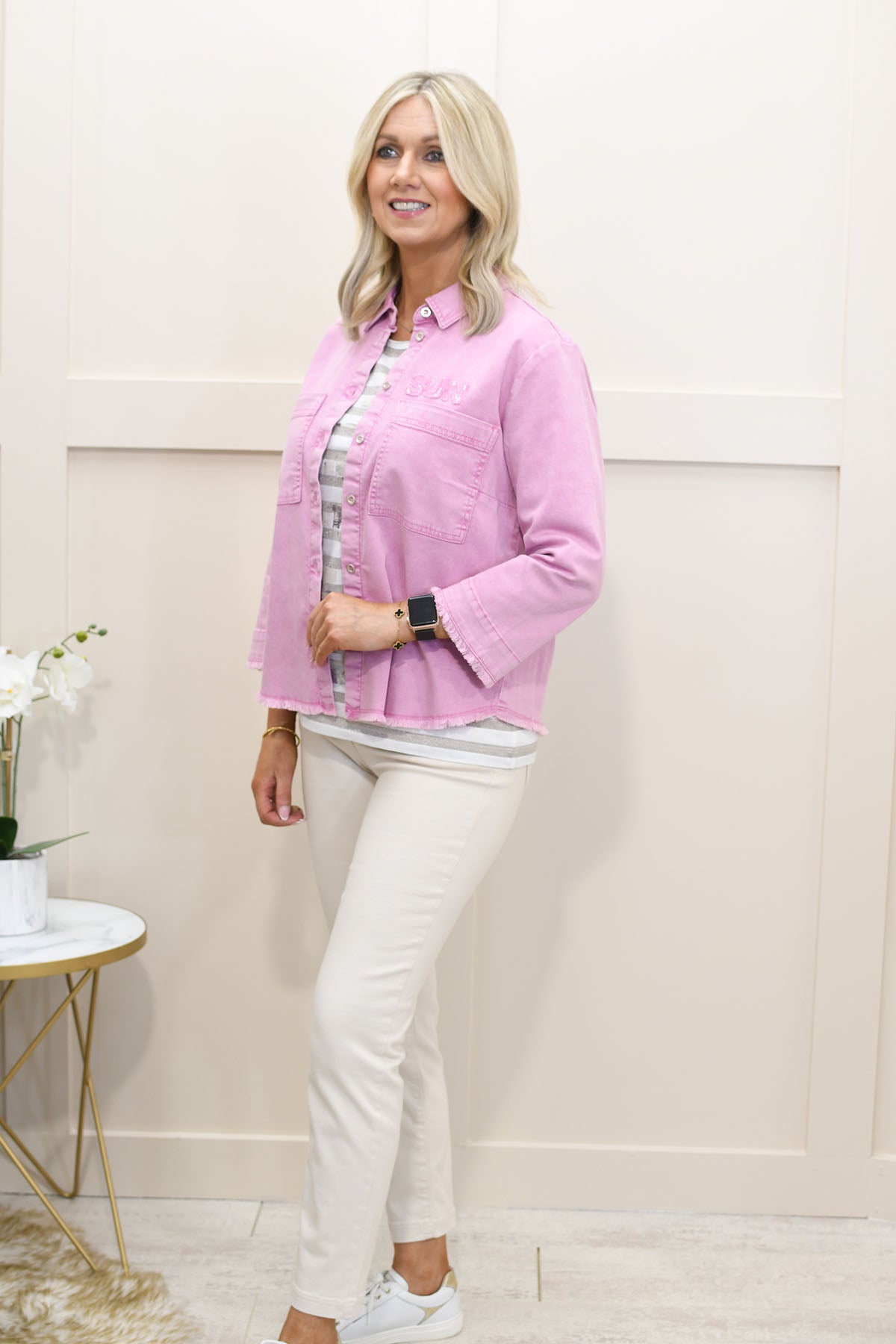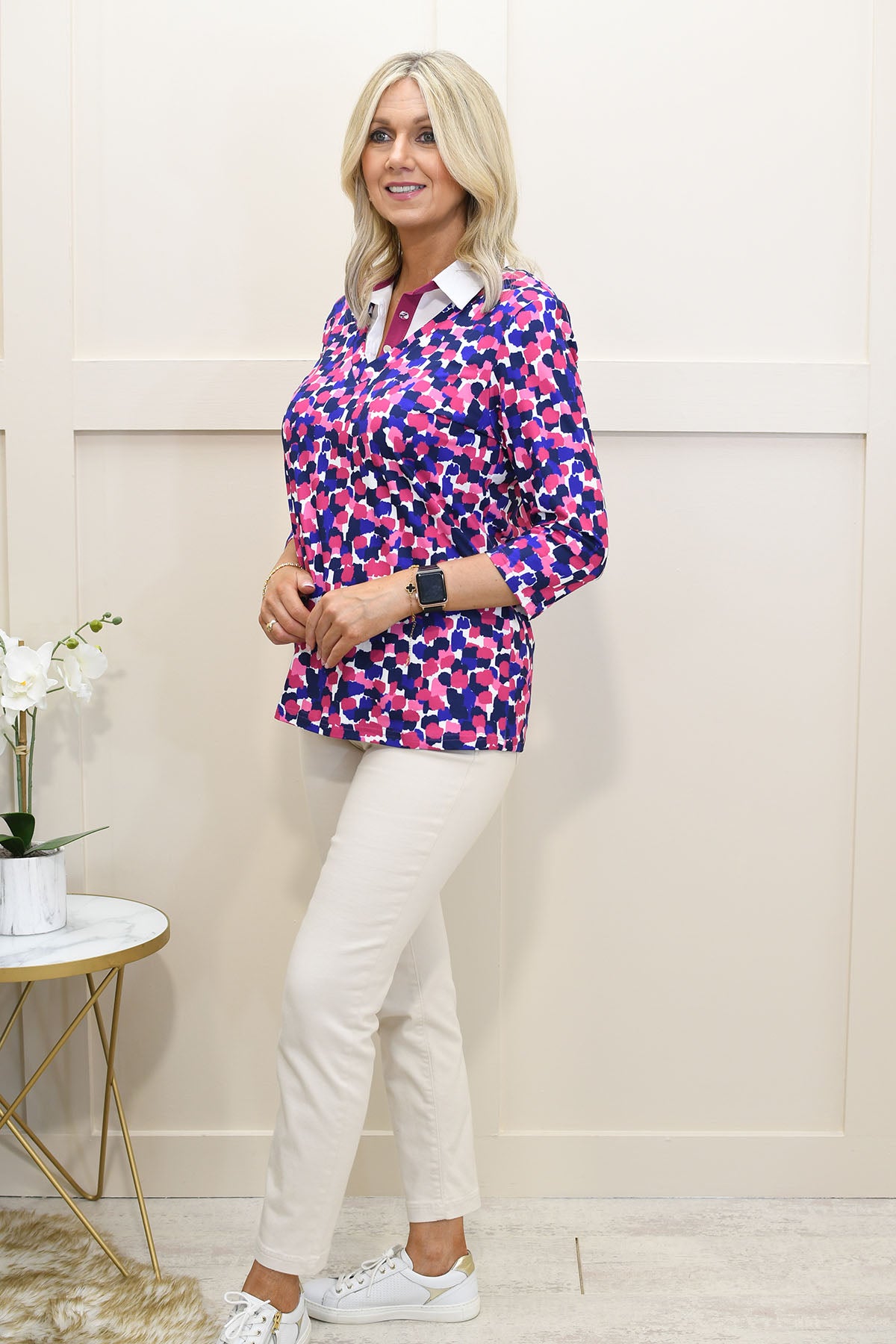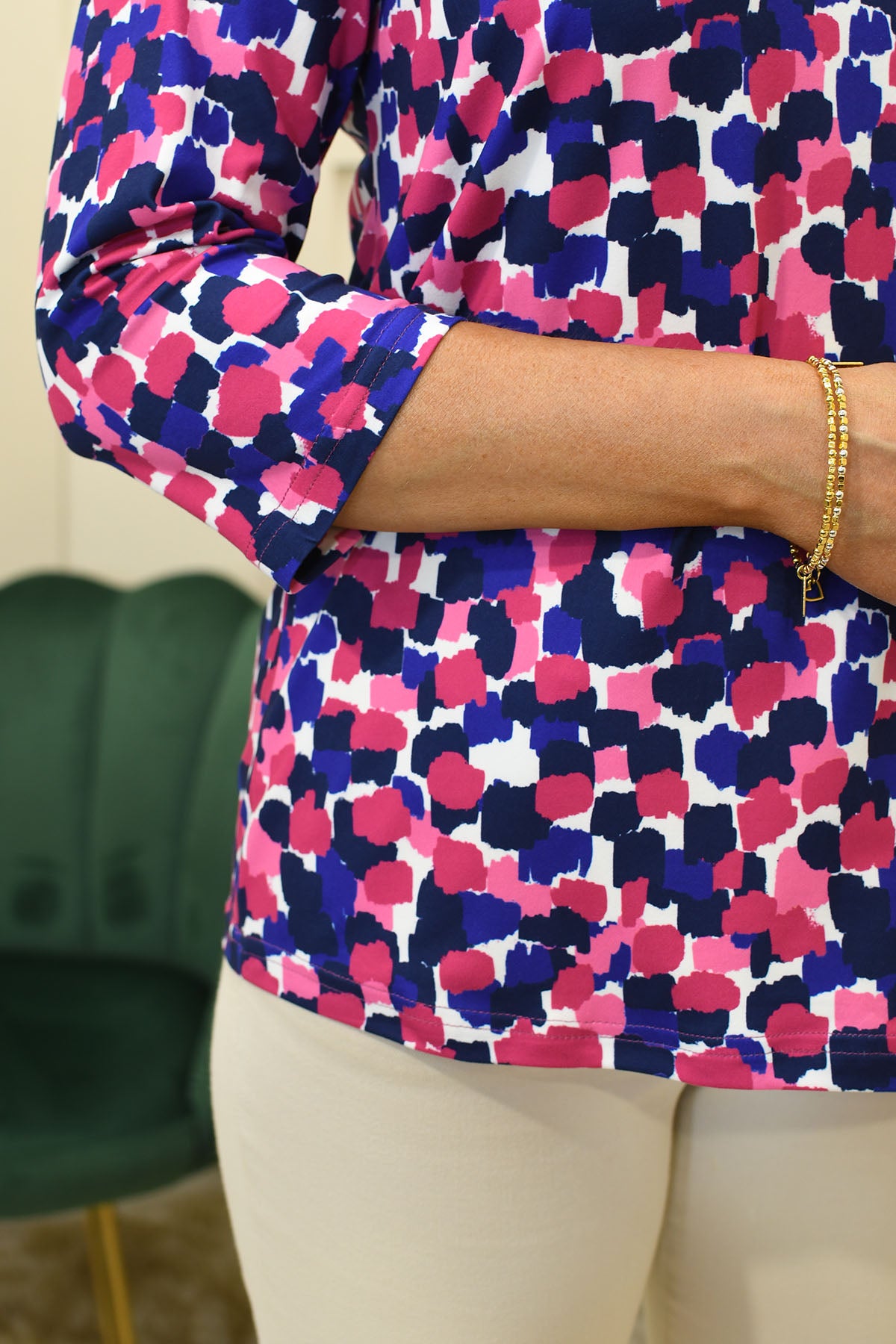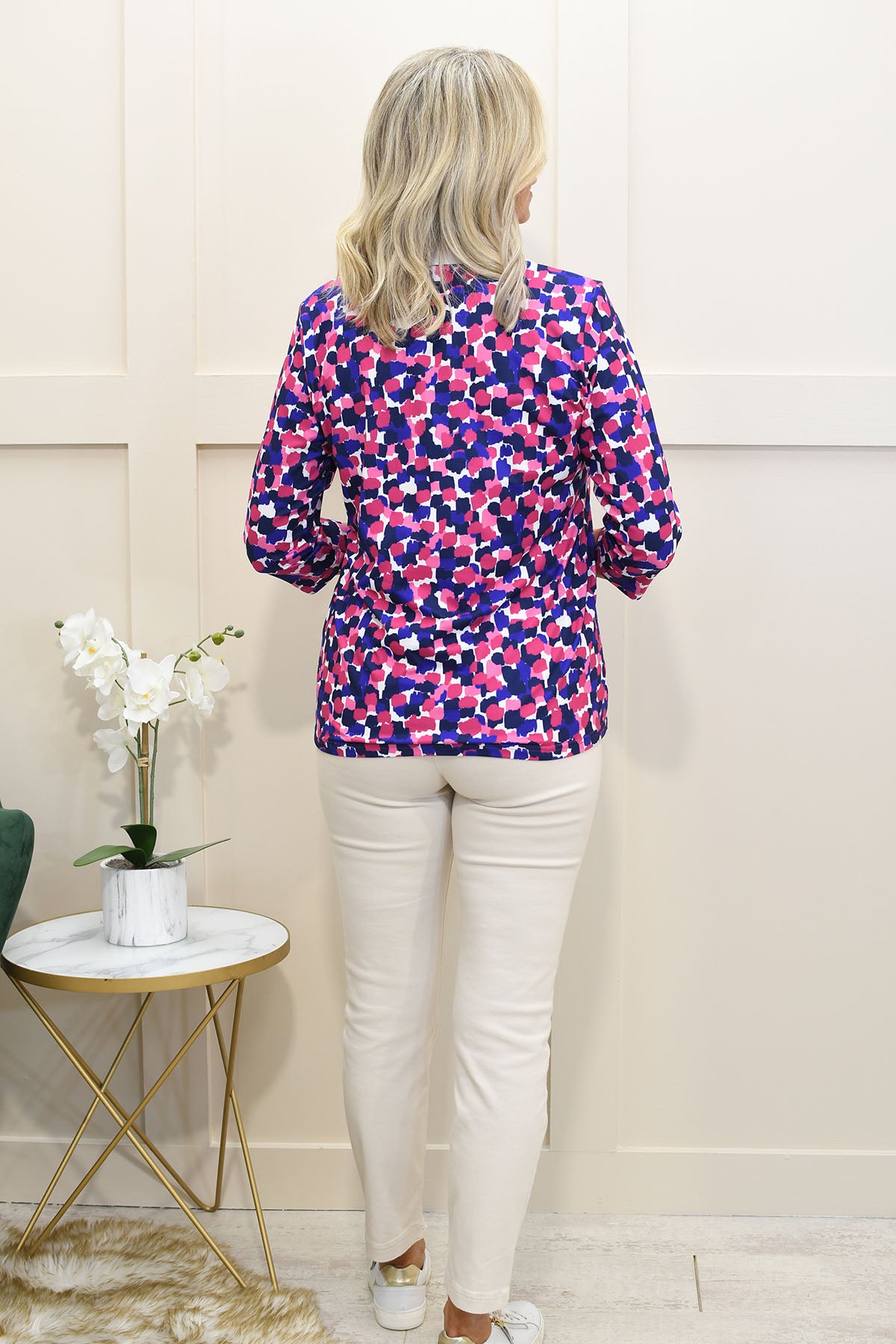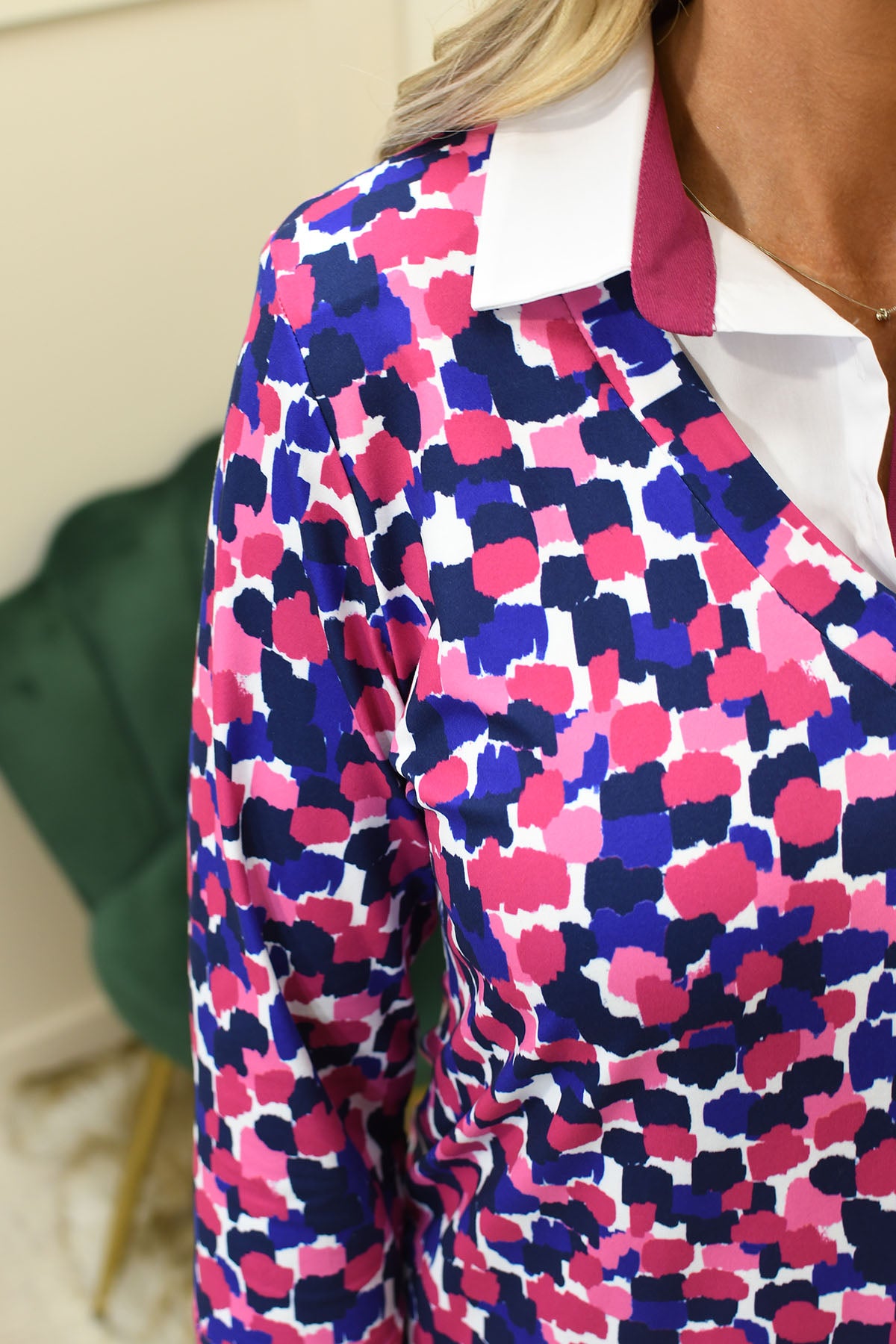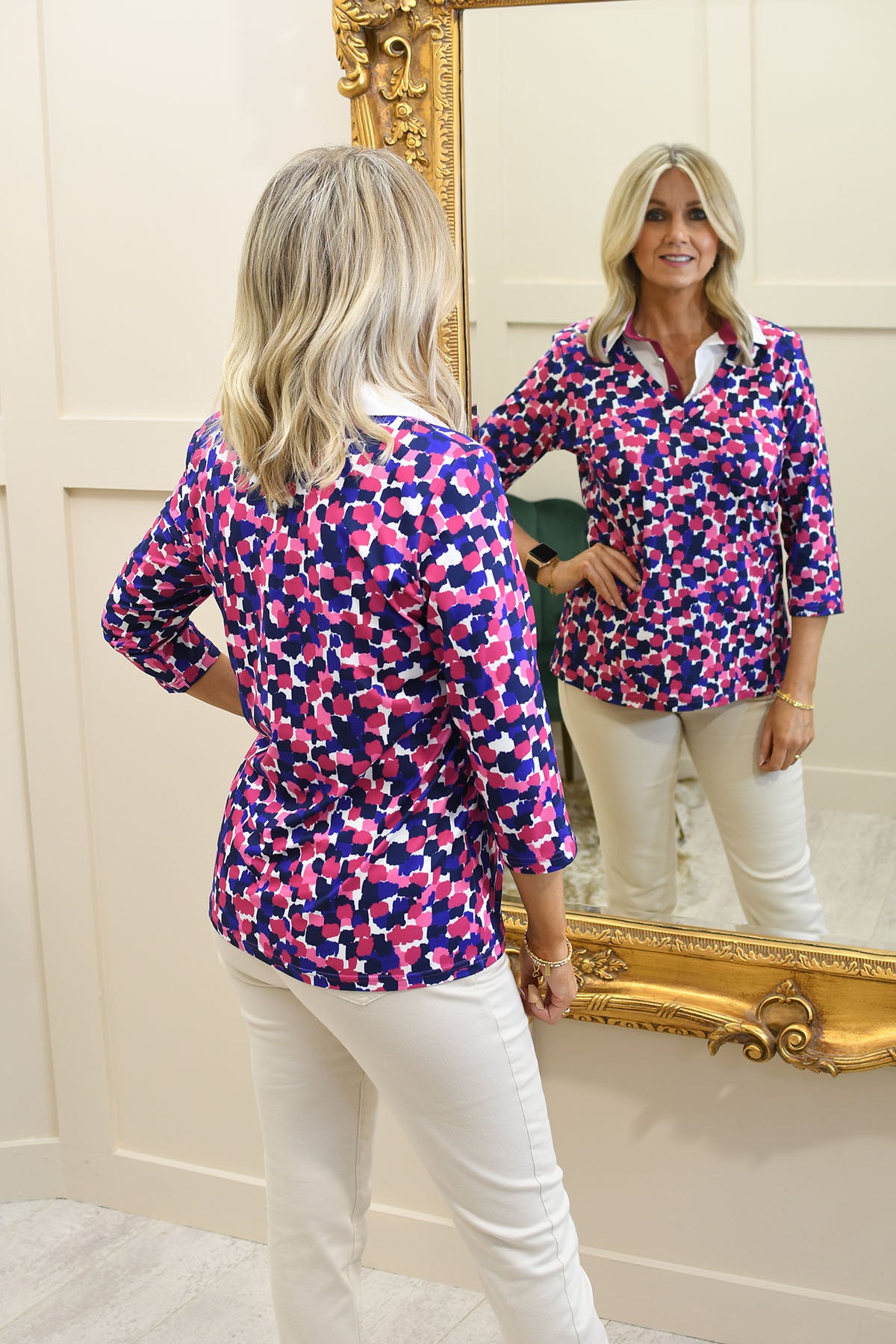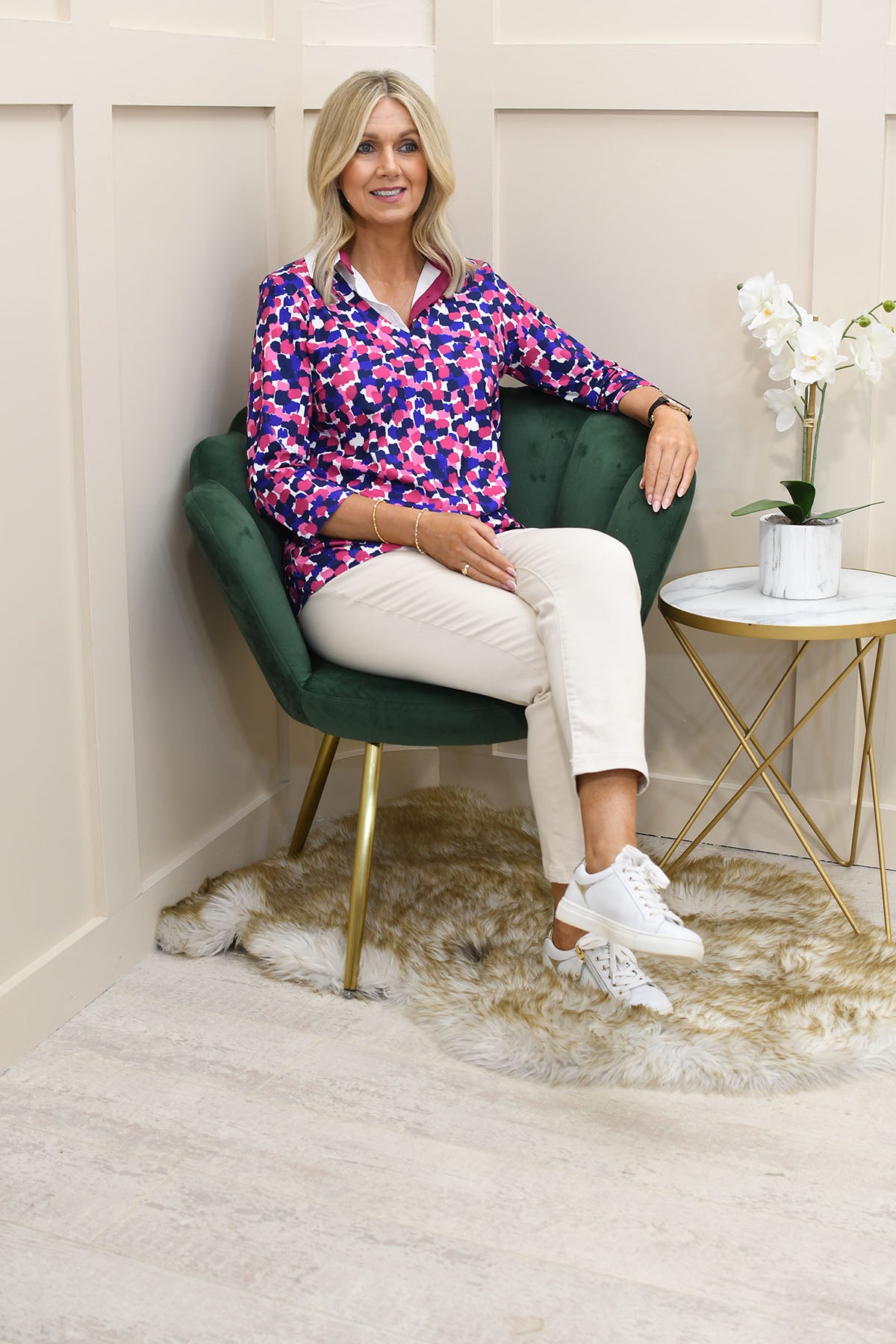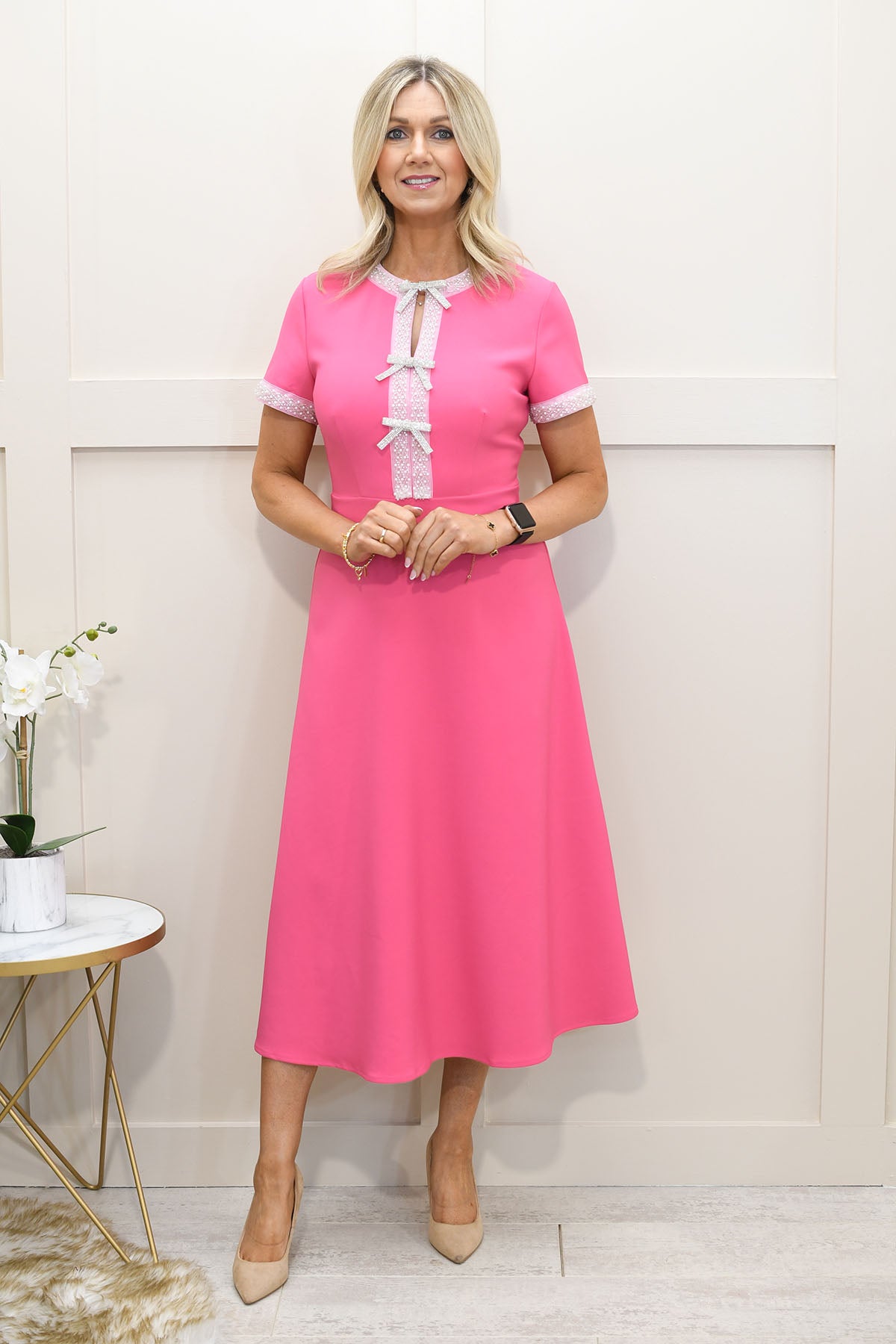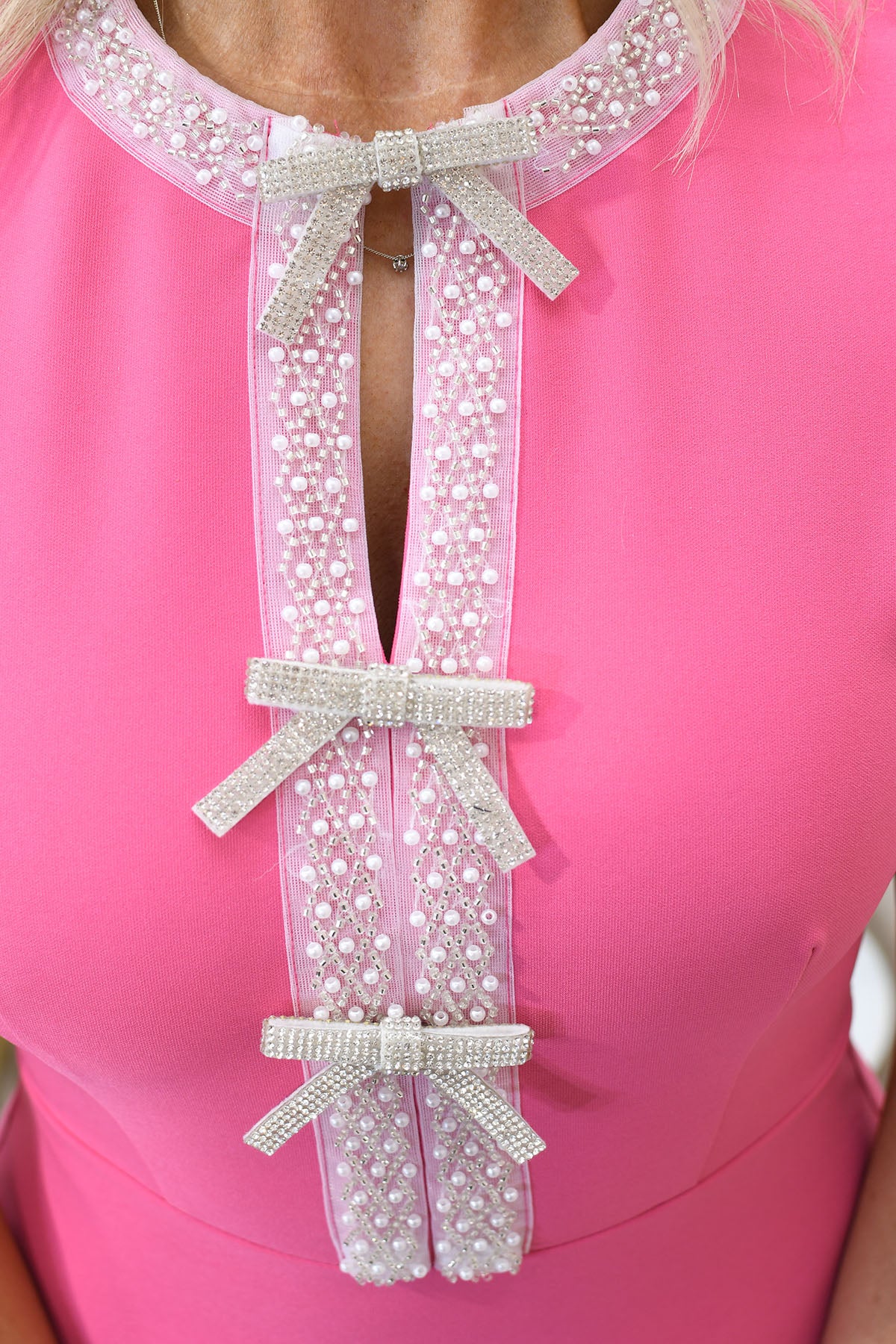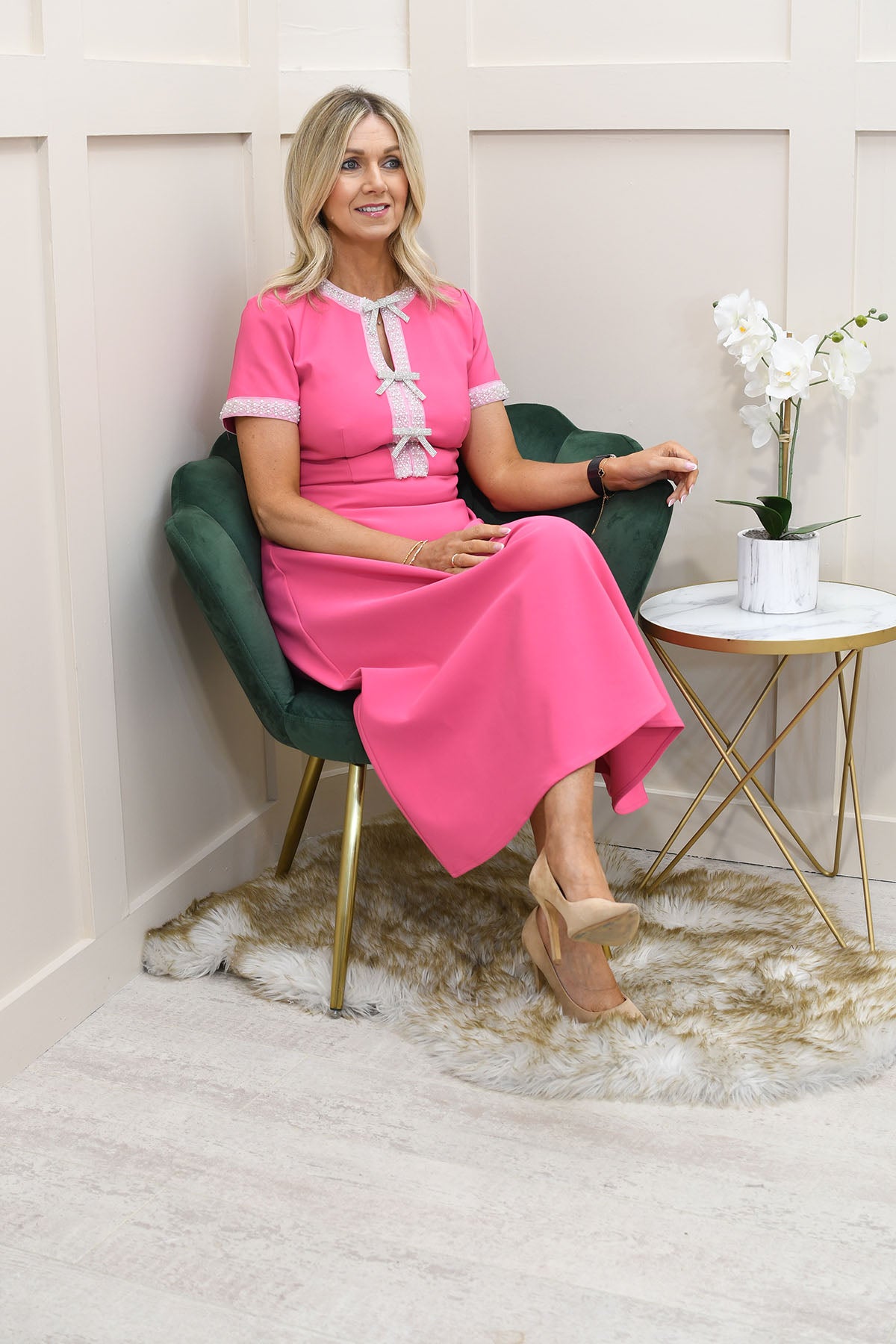


The weekend arrives and suddenly the question that tripped you up on a Tuesday feels even more loaded: what do you actually wear? Not too casual that it looks like you forgot to get dressed, not so polished that you're overdressed for a farmers' market or a long lunch with friends. The sweet spot is a well-chosen everyday dress, and it's easier to find than most people think.
The best casual weekend dresses share three qualities: they're comfortable enough to wear for hours, flattering enough that you feel good in them, and versatile enough to work across different plans. Whether you're browsing the shops, meeting friends for brunch, or spending an afternoon at a garden centre, the right dress handles all of it without a second thought.
The key is matching the dress style to how you actually spend your weekends, not to some idealised version of weekend life. This guide breaks down the styles that genuinely work, the fabrics worth seeking out, and how to build a small collection of weekend dresses that earns its place in your wardrobe.
The Dress Styles That Actually Work for Weekends
Not every dress that looks appealing on a hanger translates to a comfortable, practical day out. These five styles consistently deliver for real weekend activity.
The Shirt Dress
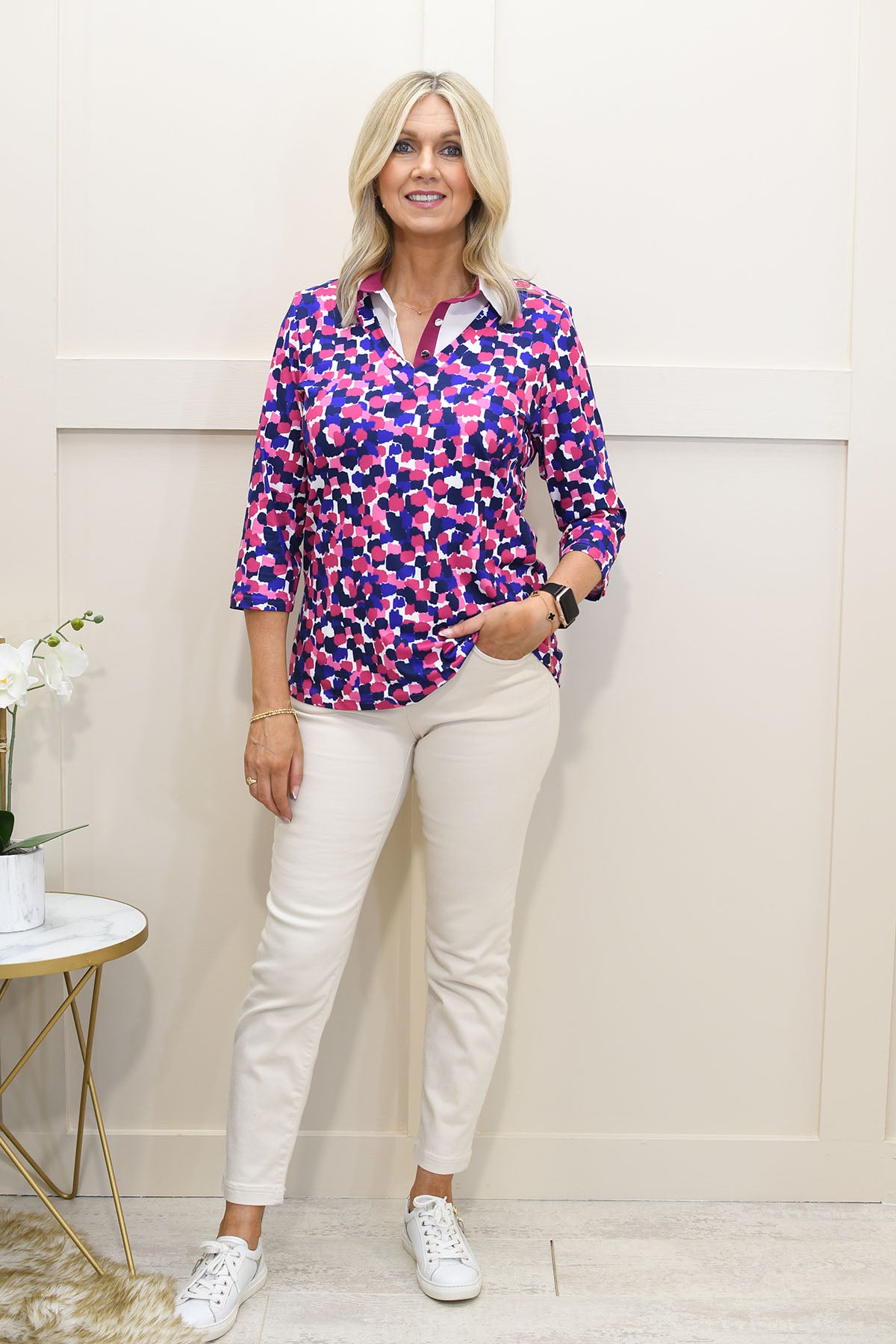
The shirt dress is arguably the most reliable casual weekend style available. It has structure without formality, a defined shape without being restrictive, and buttons that let you adjust how much air you want on a warm afternoon. Worn open over leggings or belted at the waist, it adapts to the occasion.
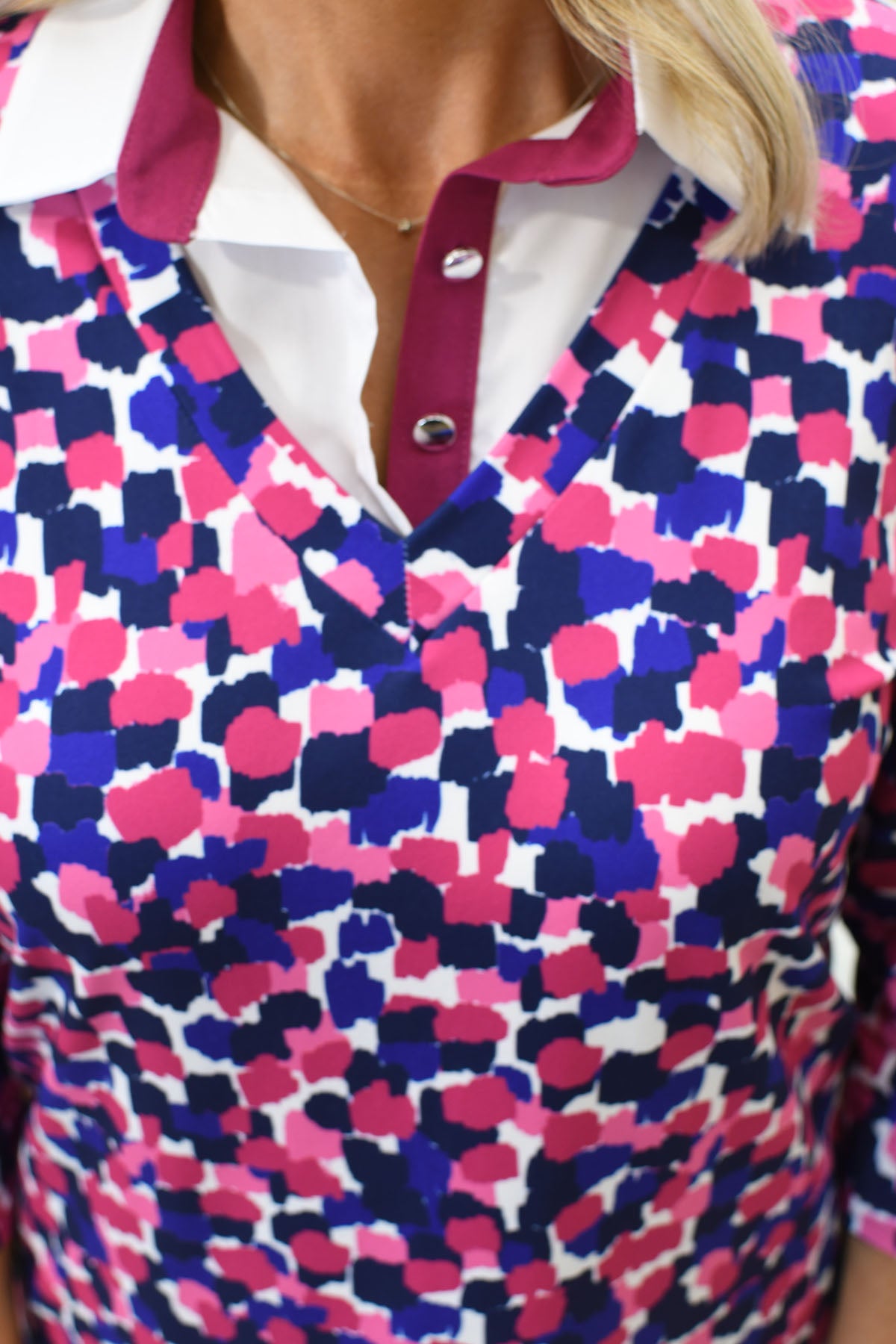
Brands like K.Design and Barbara Lebek do shirt dresses particularly well, with prints that add personality without demanding attention. A floral or tropical print shirt dress in a jersey or crinkle fabric is one of the most versatile pieces you can own for the warmer months.
The Jersey Midi Dress
Jersey fabric is the unsung hero of casual dressing. It moves with you, resists creasing, and tends to be forgiving across a range of body shapes. A midi length, sitting roughly between the knee and ankle, hits the practical sweet spot: cool enough for summer, covered enough for cooler days, and easy to walk in.
The Olsen Striped Midi Dress is a good example of how a simple jersey silhouette in a classic stripe can look considered and put-together with very little effort. Pair it with a white trainer or a low block heel and the outfit is done.
The Linen Dress
For warmer weekends, linen is the fabric that genuinely earns its reputation. It breathes better than cotton in heat, softens beautifully with wear, and has a relaxed texture that suits casual settings naturally. The trade-off is creasing, but on a linen dress that's part of the aesthetic rather than a flaw.
What to look for: a relaxed A-line or shift cut in linen works better for weekend wear than a fitted style, because it keeps its shape as you move through the day.
The Tea Dress
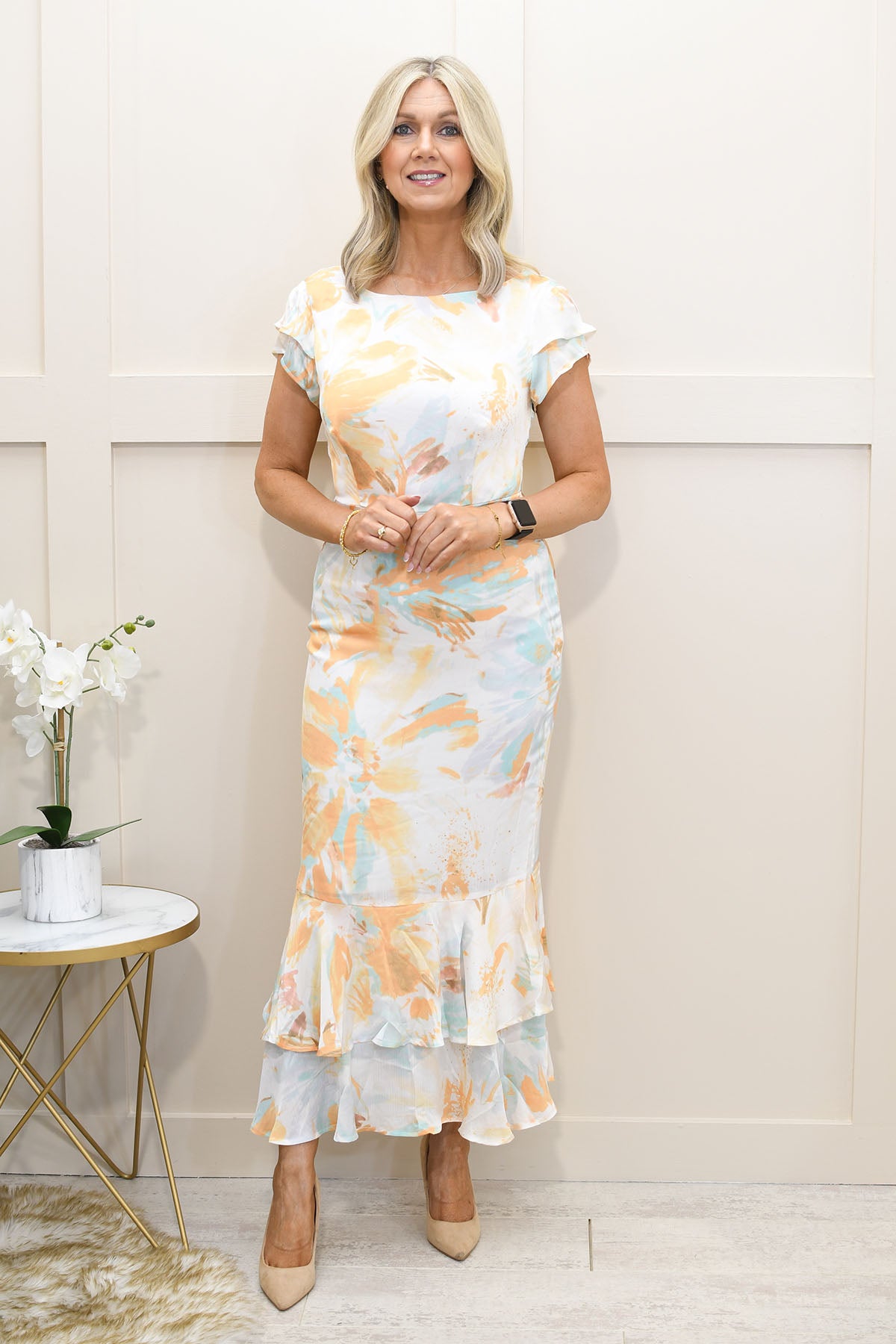
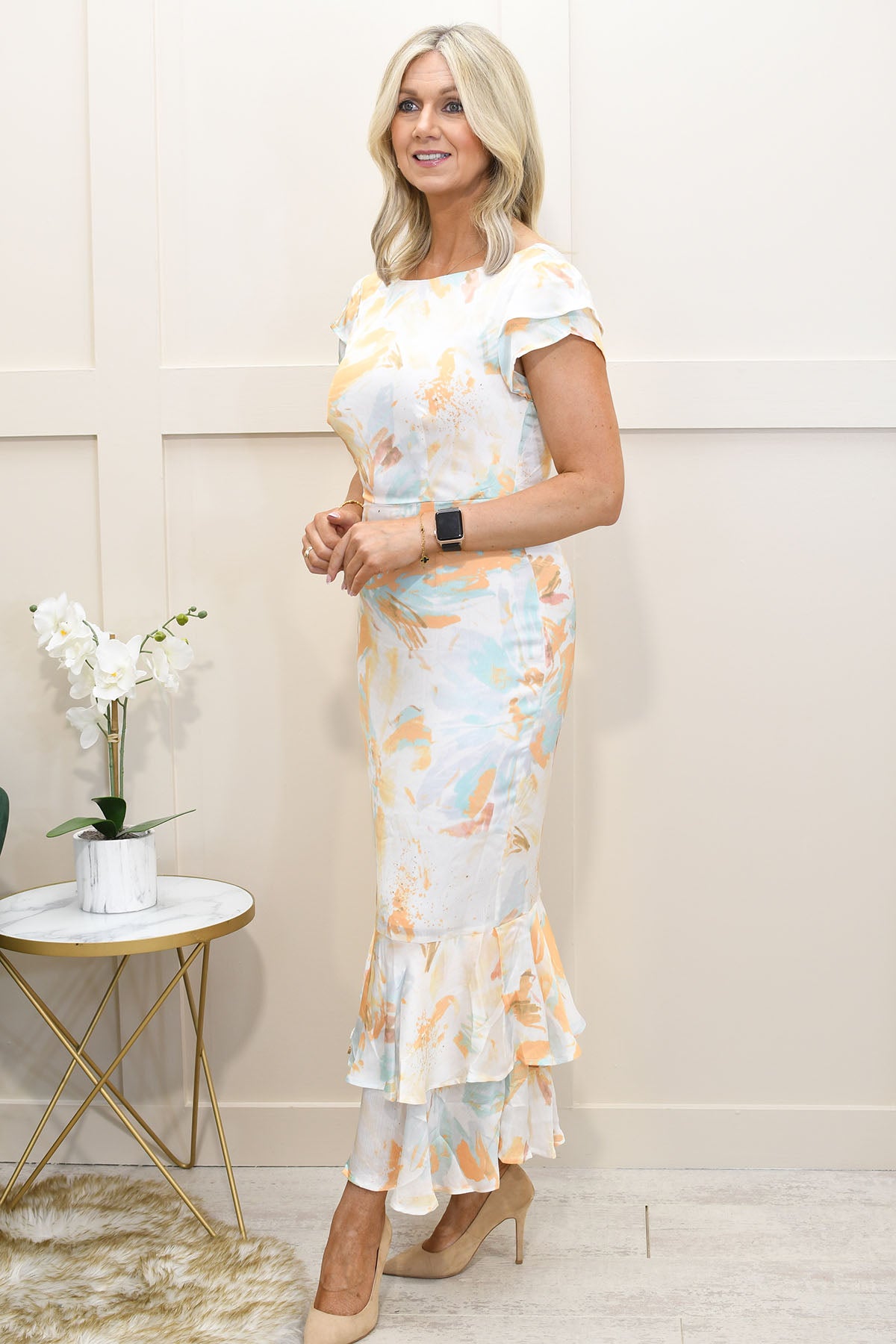
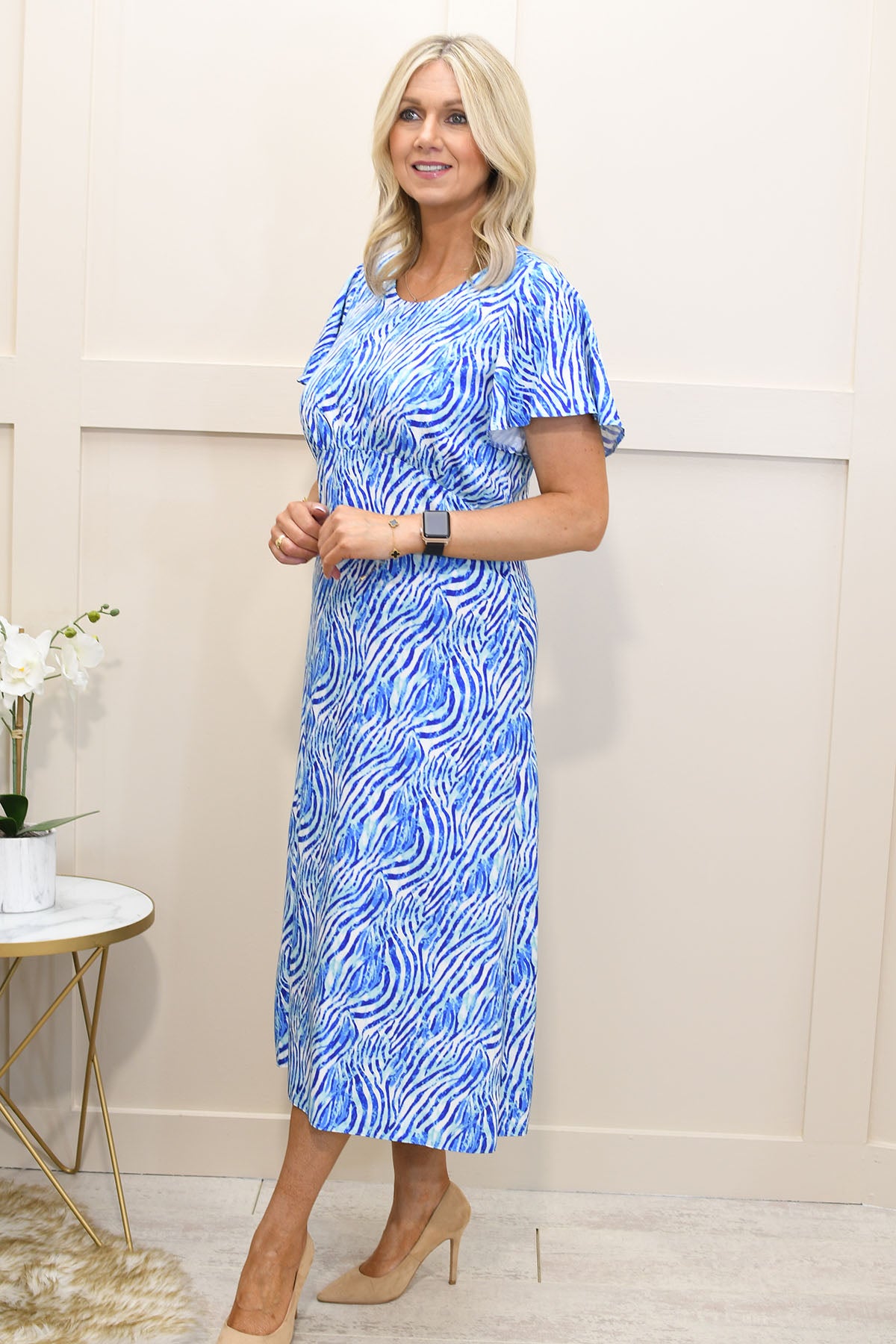
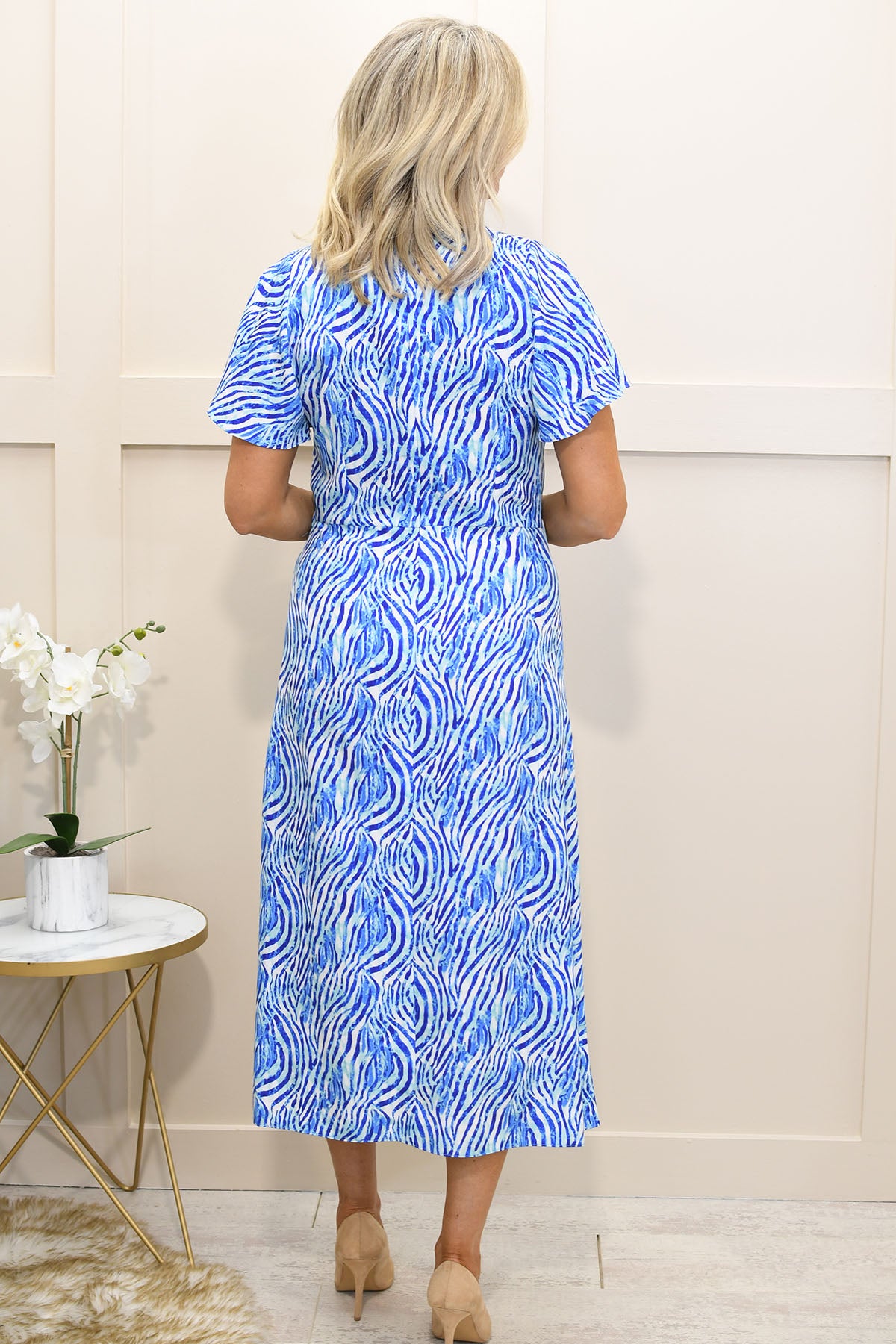
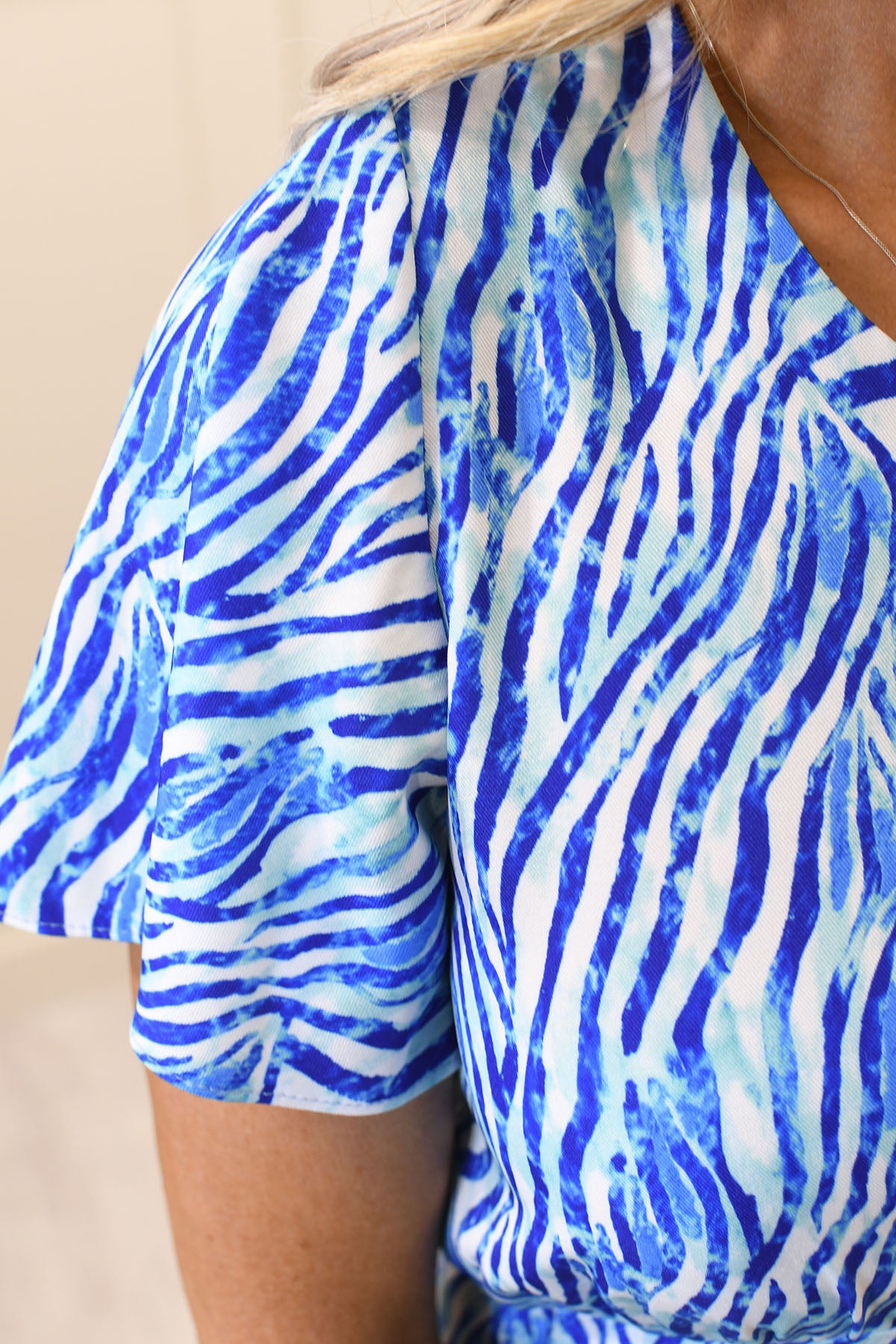
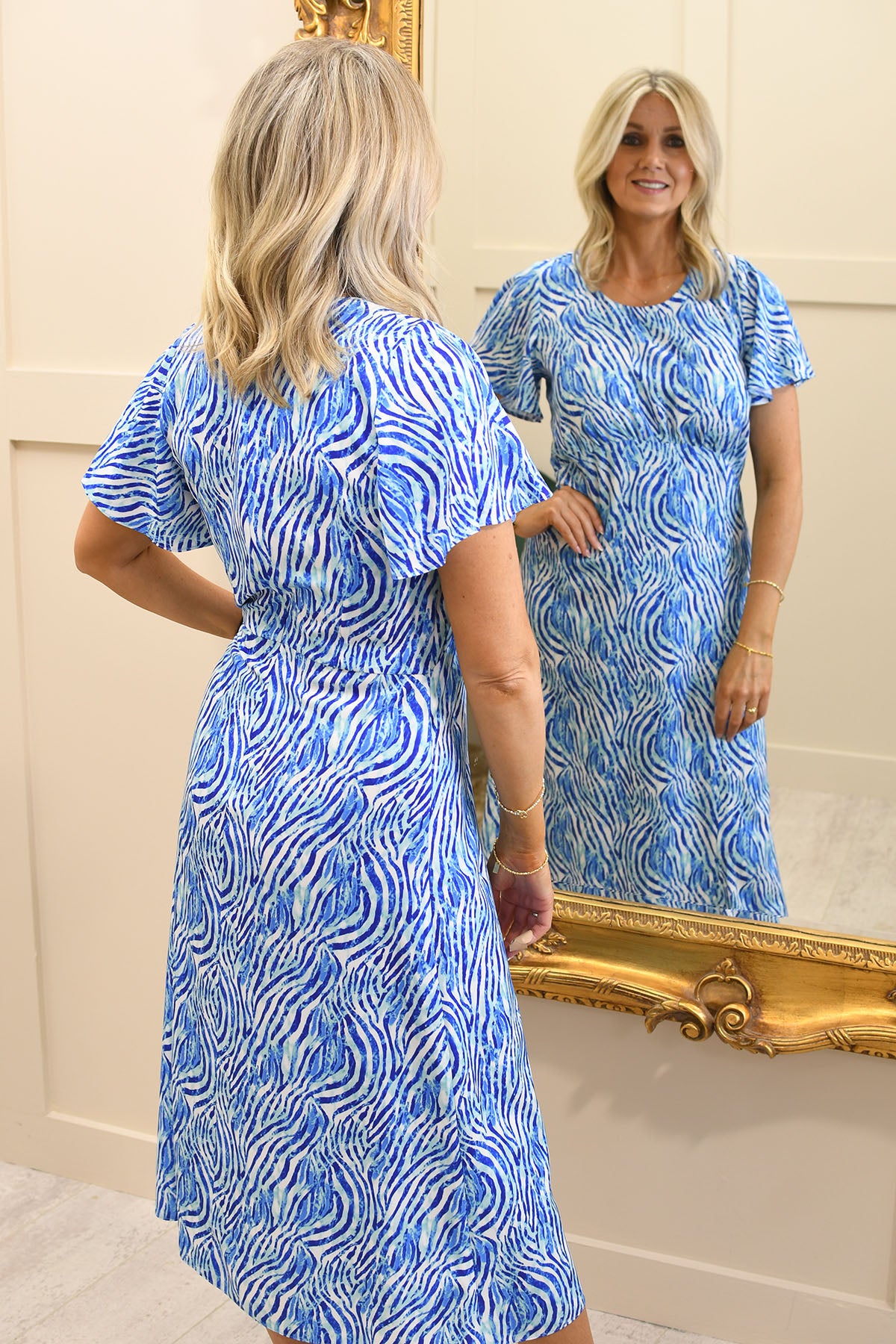
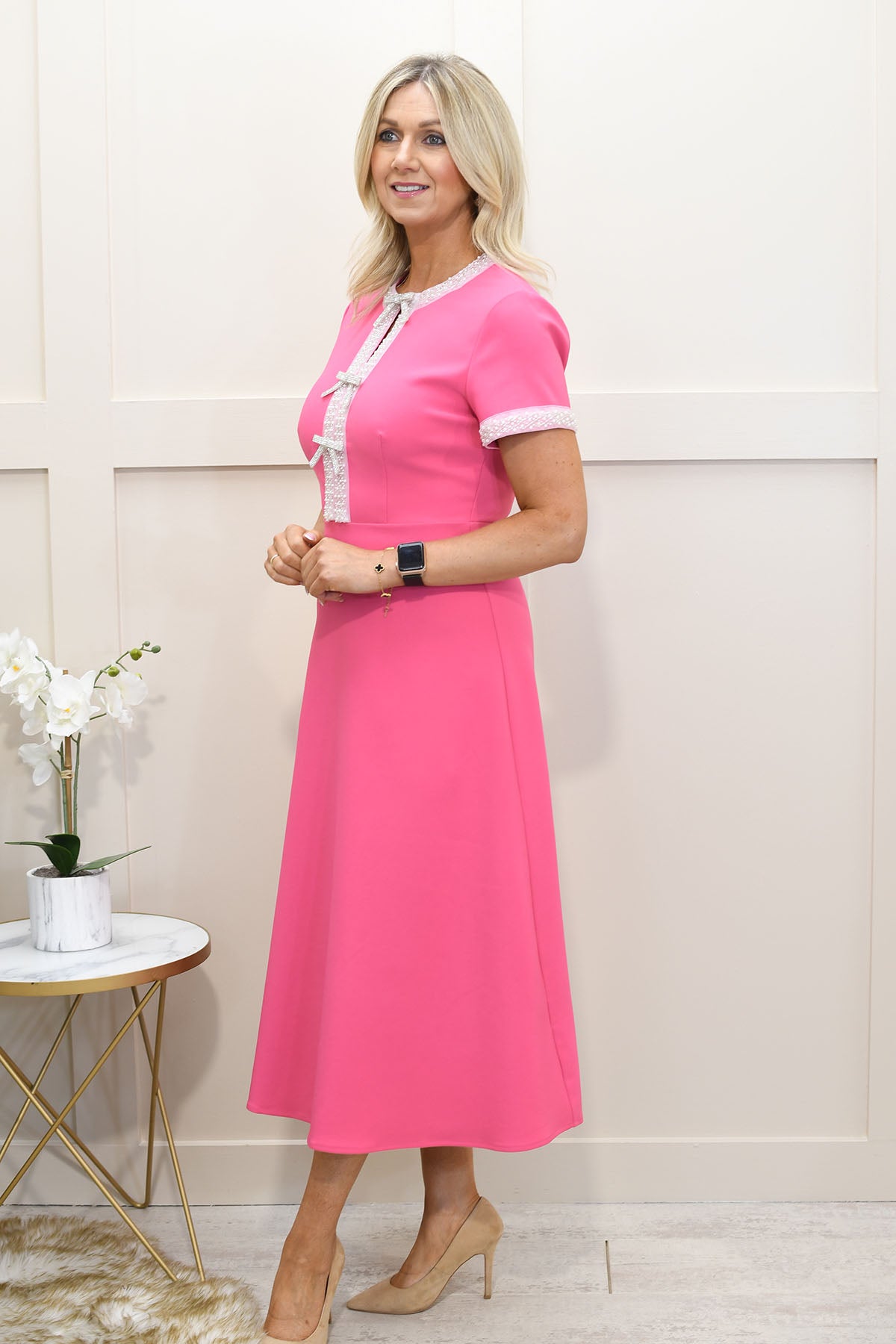
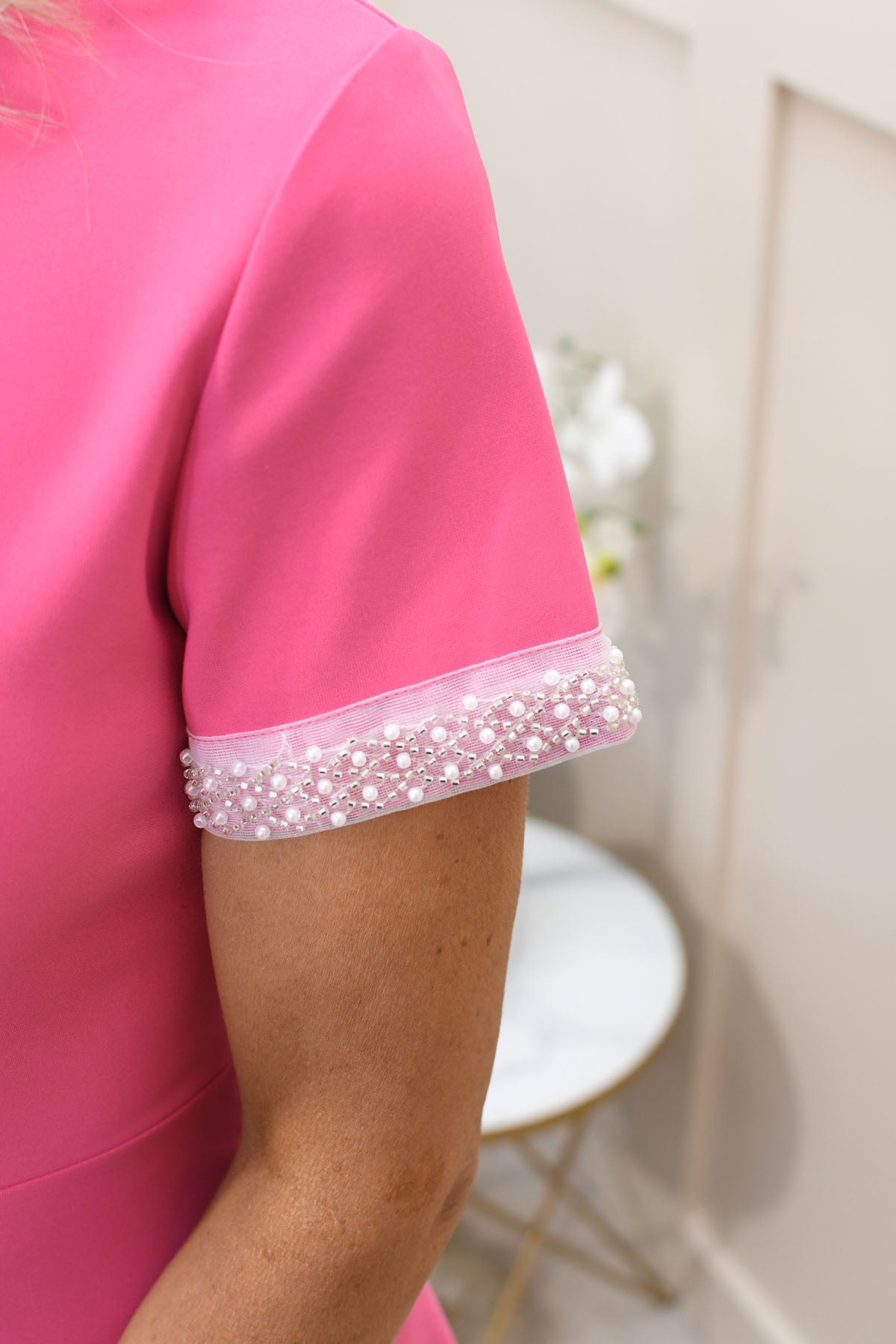
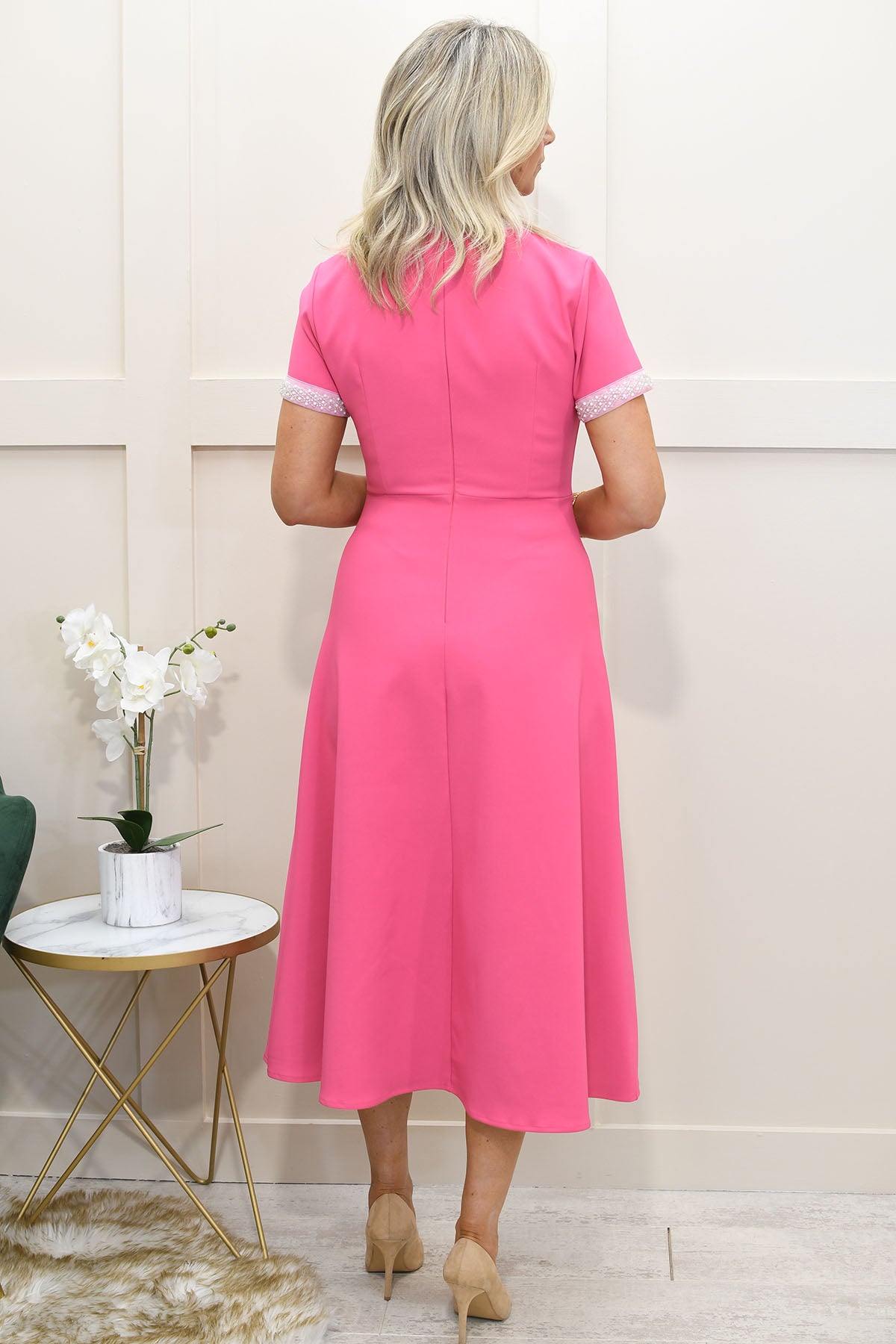
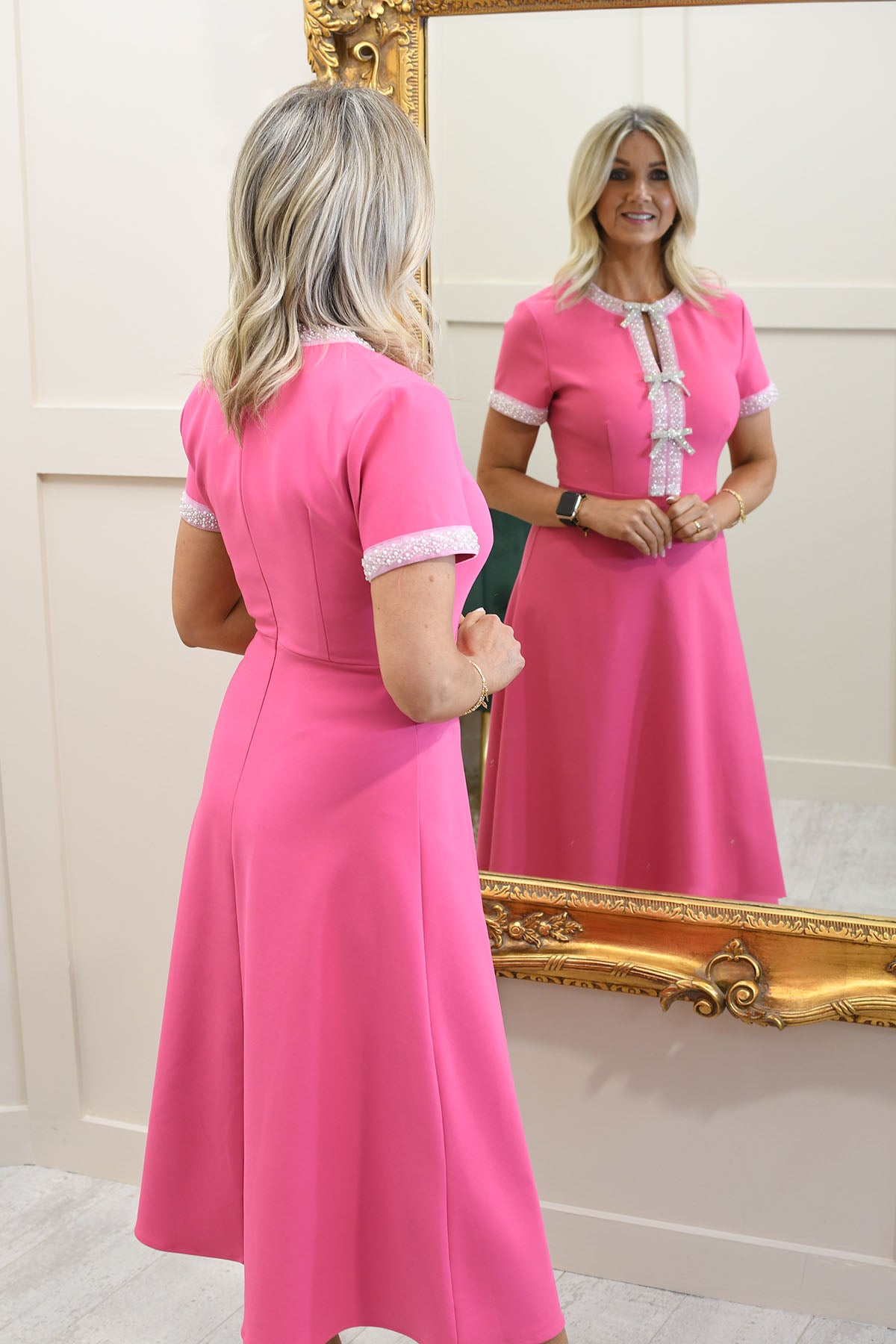
The tea dress, typically a midi with a fitted bodice and a flared or A-line skirt, is the dress that photographs well at every occasion. It's feminine without being fussy. A tropical or floral print version, like those from Pomodoro, works especially well for outdoor weekend plans: a garden visit, a seaside trip, or a relaxed afternoon in a pub garden.
The structure of a tea dress also means it tends to be flattering across a wide range of sizes, because the waist definition draws the eye and the fuller skirt provides coverage and movement.
The Shift Dress
When you want something genuinely low-effort, the shift dress delivers. No waist definition, no fuss, just a clean, straight silhouette that slips on and goes. A shift in a bold print or with a detail like pockets (always worth seeking out) becomes an outfit in itself. The Sunday Shift Dress with Pockets in Maritime Blue is a good example: understated cut, practical detail, easy to wear all day.
|
Dress Style |
Best For |
Key Feature |
|---|---|---|
|
Shirt Dress |
Brunch, shopping, day trips |
Adjustable, layerable |
|
Jersey Midi |
All-day comfort, cooler days |
Crease-resistant, flexible fit |
|
Linen Dress |
Warm weather, outdoor plans |
Breathable, relaxed texture |
|
Tea Dress |
Outdoor events, garden visits |
Flattering silhouette, feminine |
|
Shift Dress |
Low-effort, bold print days |
Minimal fuss, pockets a bonus |
Fabric Matters More Than You Think
Style gets the attention, but fabric is what determines whether you actually enjoy wearing a dress for six hours. The wrong fabric on a warm Saturday, or a cold one, turns a good-looking dress into an uncomfortable experience.
Fabrics That Work Hard on Weekends
-
Jersey and stretch knit: The most practical choice for all-day wear. Moves freely, doesn't crease, and tends to be comfortable across a range of temperatures. Ideal for dresses you'll wear from morning to evening without changing.
-
Linen and linen blends: Best for late spring and summer. Pure linen creases readily but breathes exceptionally well. A linen blend (typically linen with viscose or cotton) offers better crease resistance while keeping the breathable quality.
-
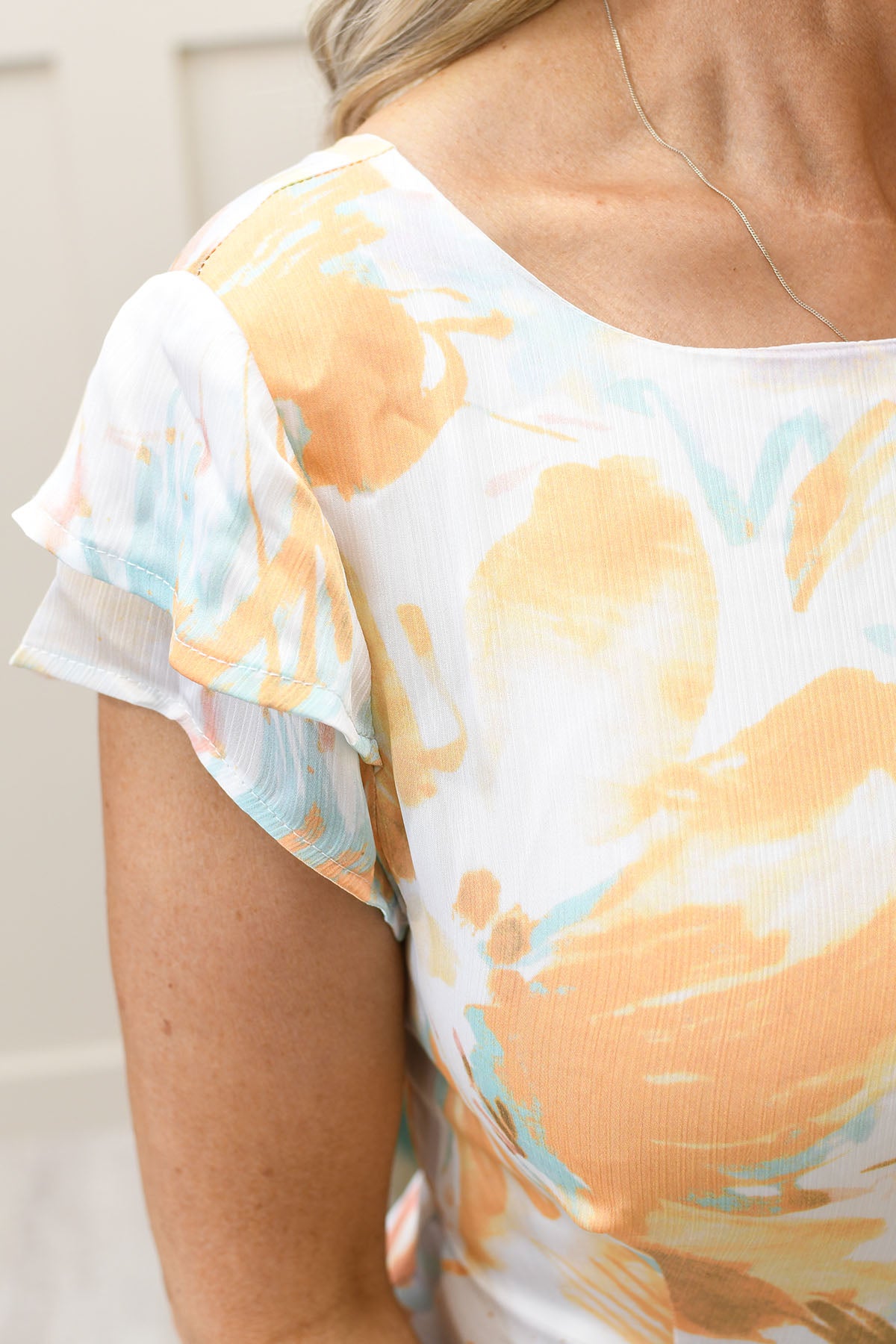
Crinkle fabric: Deliberately textured so that creasing is built into the design. Practically maintenance-free and very forgiving to pack or wear all day. Dolcezza's crinkle dresses are a good example of this done well.
-
Viscose and modal: Lightweight, soft, and breathable. Drapes beautifully and feels comfortable against the skin. Worth choosing for warmer days when you want something that feels effortless.
Fabrics to Be Cautious With
-
Polyester: Fine in small blends for structure, but a high polyester content can feel uncomfortable in warm weather. Check the label if breathability matters to you.
-
Stiff cotton: A 100% woven cotton dress can look great but may feel restrictive for a day that involves a lot of walking or sitting.
According to Woman & Home, fabric breathability is one of the most commonly cited factors when women describe what makes a dress genuinely comfortable for everyday wear, ahead of even fit and style. The practical upshot: prioritise natural fibres or quality blends when shopping for weekend dresses.
How to Choose the Right Fit for Your Shape
The most important thing to understand about fit in casual dresses is that flattering and comfortable are not opposites. The styles that work best for weekend wear tend to be the ones that acknowledge how a body actually moves rather than trying to contain it.
A Few Principles Worth Knowing
Define the waist, even loosely. A dress that has no waist definition at all can look shapeless rather than relaxed. An A-line cut, a tie waist, or even a fabric that gently skims the body does more for a silhouette than a straight column. This is why the shift dress works best when it has a print or detail that carries the eye.
Midi length is the most forgiving. Knee-length dresses draw attention to the knee, which isn't always where you want it. A midi, falling anywhere from mid-calf to ankle, elongates the leg and gives more flexibility with footwear.
Stretch is your friend. A dress with at least a small percentage of elastane or stretch fabric will hold its shape across a day of activity far better than a rigid woven. This matters most for dresses with fitted bodices or structured cuts.
Size up for comfort, not down for flattery. A dress that's slightly too snug across the back or hips will look worse, not better, than one that fits comfortably. The brands stocked at Style Boutique NI's casual dresses collection run from UK 8 to UK 22, so there's genuine range to find the right fit rather than compromising.
A Quick Fit Guide by Body Focus
|
If you want to... |
Look for... |
|---|---|
|
Define a waist |
Tie-waist, wrap detail, or A-line cut |
|
Minimise the hip area |
Dark colours, vertical prints, empire waist |
|
Create the illusion of height |
Midi or maxi length, vertical stripe |
|
Feel comfortable all day |
Stretch fabric, relaxed cut, not too fitted |
|
Stay cool in warm weather |
Sleeveless or short sleeve, linen or viscose |
What to Wear It With: Styling Weekend Dresses
A casual dress doesn't need much to look complete. The risk is over-accessorising something that works best when it's kept simple. These are the combinations that consistently work.
Footwear
Footwear does more to set the register of a casual dress than almost any other element. The same midi dress reads entirely differently with each of these:
-
White trainers or clean canvas shoes: The most relaxed option. Works with almost any dress style and immediately reads as intentionally casual rather than dressed down.
-
Low block heel or wedge: Adds a small amount of elevation without discomfort. Good for a lunch or shopping day where you want to look a little more put-together.
-
Flat sandals: The natural pairing for linen or crinkle dresses in warm weather. Strappy sandals work with tea dresses; a simple flat slide works with jersey midis.
-
Ankle boots: Extends the season for jersey and shirt dresses into autumn. A midi dress with ankle boots and a light jacket is a reliable transitional outfit.
Layering
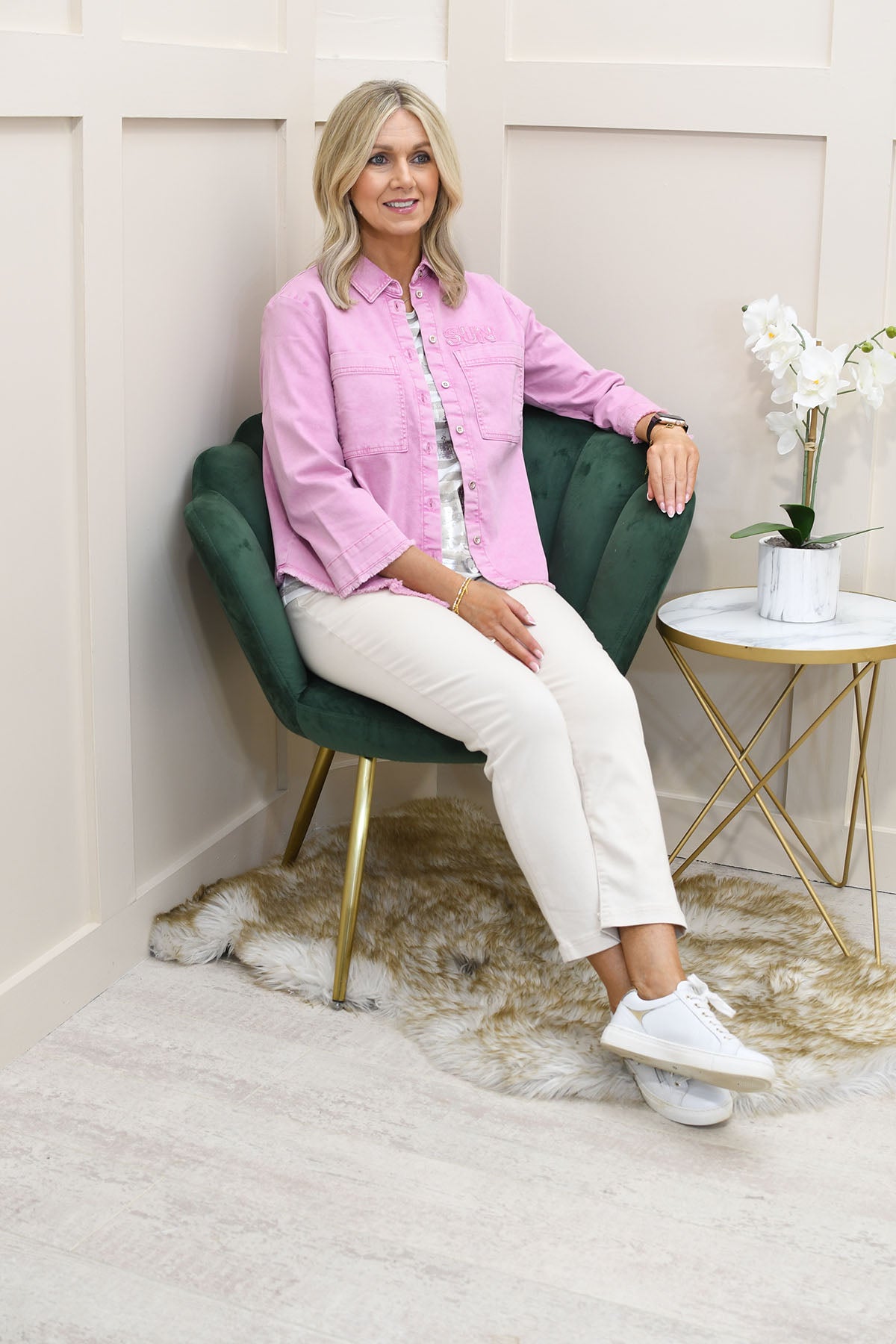
A lightweight cardigan or unstructured jacket is the most useful thing you can add to a casual dress for British and Irish weather, where the morning and afternoon temperatures rarely agree. A denim jacket works with printed dresses. A fine-knit cardigan works with jersey midis. Neither adds bulk or changes the character of the outfit.
For cooler days, a roll-neck or fine-knit top underneath a sleeveless dress extends its wearability into autumn and early winter, particularly for jersey and knit dress styles.
Accessories
Keep it minimal. A casual dress is already doing the work. A simple crossbody bag, a pair of stud earrings, and a watch are enough. The dresses that benefit most from accessories are the plainer styles, like a shift or a solid-colour jersey midi, where a printed scarf or a bold bag adds the interest that the dress itself doesn't provide.
The rule of thumb: if the dress has a strong print, let it lead. If the dress is simple, use accessories to add personality.
Building a Small Weekend Wardrobe That Works
You don't need a large collection of casual dresses to be well-dressed every weekend. Three or four pieces, chosen thoughtfully, cover most situations. The logic is simple: each dress should work for at least two different weekend scenarios, and the collection as a whole should cover both warm and cooler weather.
A Practical Starting Point
One jersey midi in a neutral or classic print. This is your workhorse. It goes with everything, works in any season with the right layers, and requires no thought. A navy stripe, a classic black, or a subtle geometric print all work.
One linen or crinkle dress for warm weather. This is your summer weekend dress. Reach for it when the weather is warm and you want to feel easy and unencumbered. A bold print here is worth it, because the relaxed fabric keeps it from feeling overdressed.
One shirt dress in a print you love. The most versatile silhouette in the casual category. Wear it belted for a more defined look, open over jeans for a cooler day, or as a dress with sandals when it's warm. Brands like K.Design and Pomodoro at Style Boutique NI offer a wide range of printed shirt dresses at accessible price points.
One slightly smarter option for occasions that need it. A tea dress or a structured midi that you can dress up with a heel when a weekend plan is a little more than completely casual. This is the dress that works for a birthday lunch or an afternoon wedding reception without being a formal occasion piece.
The Investment Question
Casual dresses don't need to be expensive to be good, but buying slightly better quality in fabrics and construction pays off in wearability. A jersey dress that holds its shape after multiple washes is more economical than a cheaper one that loses its form after a season. According to Glamour UK, the average woman wears a favourite casual dress more than 30 times before replacing it, which means the cost-per-wear on a well-chosen piece is genuinely low.
The brands available in the Style Boutique NI casual dresses range sit in the mid-market to accessible premium range, with pieces from Dolcezza, Olsen, Barbara Lebek, and Frank Lyman that are built to last beyond a single season. This is the category where spending a little more makes a measurable difference.
The Short Answer
The everyday dresses that work best for casual weekend outings are the ones that solve a real problem: looking and feeling good without effort. That means jersey midis for all-day comfort, shirt dresses for versatility, linen and crinkle styles for warm weather, and tea dresses when you want a little more polish without the formality.
Fabric and fit matter more than trend. A well-cut dress in a breathable fabric, in a size that actually fits, will outperform a fashionable piece that's uncomfortable to wear for more than two hours.
Browse the full range of casual day dresses at Style Boutique NI, with styles from Dolcezza, K.Design, Pomodoro, Olsen, Barbara Lebek, Frank Lyman, and more, in sizes UK 8 to UK 22, with free UK and Ireland delivery on orders over £99.